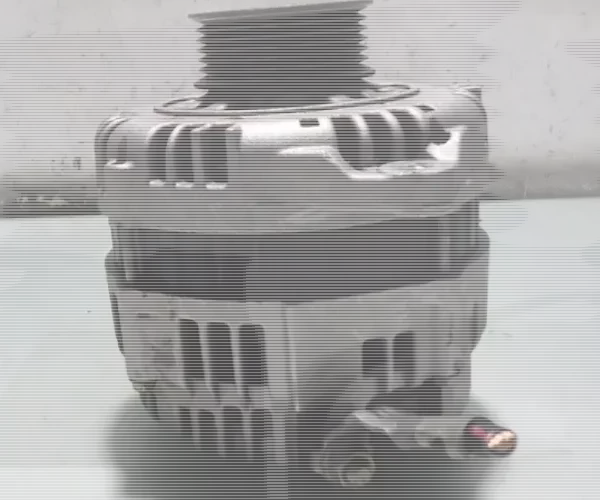
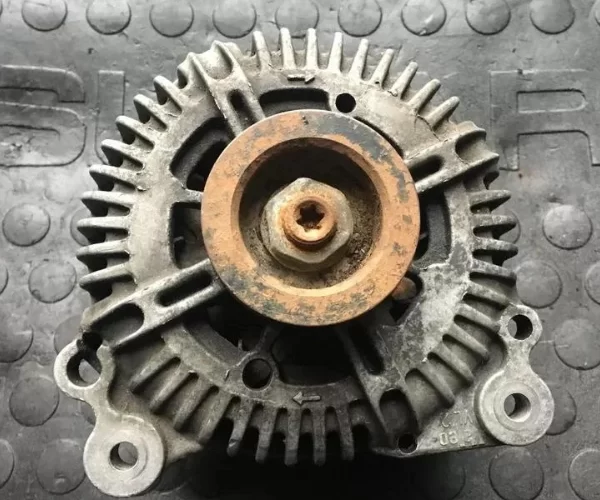
About the BMW 328i Alternator
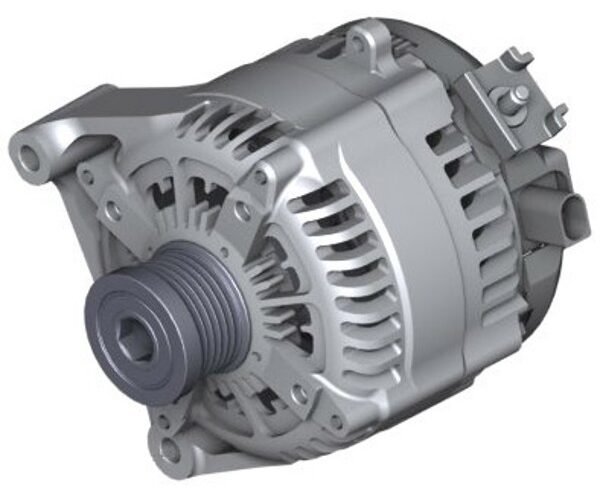
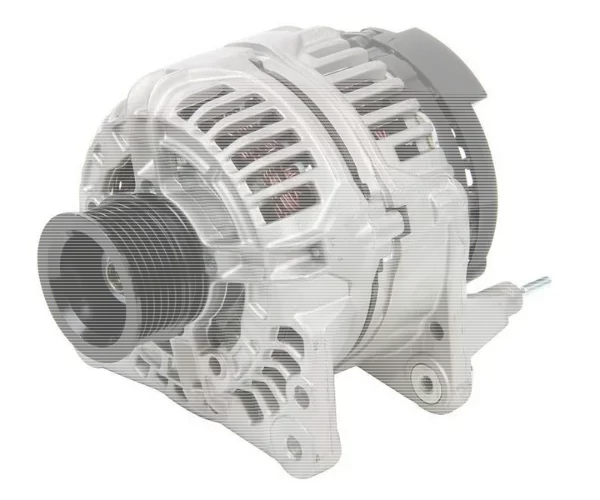
The BMW 328i alternator is a vital component of the vehicle's electrical and charging system. It converts mechanical energy from the engine (transferred through the serpentine belt) into electrical energy to power all vehicle electrical components (lights, infotainment, fuel pump, ignition, climate control, ECU) and to recharge the battery while the engine is running. The 328i nameplate spans two distinct chassis generations: the E90 (2007 to 2013) with the N52 inline-six naturally aspirated engine, and the F30 (2012 to 2018) with the N20 turbocharged inline-four engine. Output amperage varies by application, ranging from 120A on early E90 builds to 180A on later F30 N20 builds with their increased electrical demand.
Why BMW 328i Owners Replace the Alternator
Common 328i alternator replacement triggers include:
- Battery warning light on dashboard: Charging system not maintaining proper voltage
- Dimming or flickering headlights: Voltage drop under load
- Battery drain or repeated dead battery: Alternator not maintaining battery charge
- Vehicle stalls and won't restart: Severe charging failure
- Voltage reading below 13.8V at idle: Faulty voltage regulator
- Voltage reading above 15V: Failed voltage regulator (overcharging damages battery and electronics)
- Whining or grinding noise from alternator area: Failed bearings
- Burning smell from engine bay: Burned-out diode pack or rectifier
- Brush wear after high mileage: Typical 80,000 to 150,000 mile interval
Common BMW 328i Alternator Failure Modes
| Detail | Description |
|---|
| Brush Wear | Carbon brushes wear out after 80,000 to 150,000 miles, causing intermittent charging |
| Voltage Regulator Failure | Solid-state regulator fails, causing overcharging or undercharging |
| Diode Pack Failure | Internal diodes (rectifier) fail, causing AC ripple in DC output |
| Bearing Wear | Front or rear bearing fails, causing whining noise and eventual seizure |
| Pulley Failure | Overrunning alternator pulley (OAP) fails on N52 engines specifically |
| Coolant Intrusion (rare) | Coolant leak from nearby hose damaging windings (most common on older E90s) |
Things to Confirm Before Ordering
- Chassis (E90 2007 to 2013 vs F30 2012 to 2018)
- Engine code (N52 inline-six naturally aspirated, N51 SULEV variant, or N20 turbocharged inline-four)
- Year (2012 has overlap of E90 and F30, confirm by VIN if uncertain)
- Output amperage required for your application (typically 120A to 180A)
- xDrive vs RWD (different bracket on some applications)
What Is Included, What Is Not Included
| Item | Details |
|---|
| INCLUDED | Used OEM alternator with pulley, voltage regulator, brushes, bearings, and integrated cooling fans. |
| NOT INCLUDED | Serpentine belt (replace if worn), battery (sold separately), wiring harness, mounting bracket (typically reuses your vehicle's existing bracket). |
| Tools You Need | Standard hand tools, 13 mm and 16 mm sockets typical, serpentine belt tensioner tool, possibly engine cover removal tool, basic electrical multimeter for output verification post-install. |
Vehicle Compatibility
This BMW 328i alternator is compatible with the following:
| Vehicle | Compatibility |
|---|
| BMW 328i E90 Sedan (2007 to 2013) | N52 3.0L naturally aspirated I6 engine, RWD and xDrive |
| BMW 328i E91 Touring/Wagon (2007 to 2013) | Same engine as E90 sedan |
| BMW 328i E92 Coupe (2007 to 2013) | Same engine as E90 sedan |
| BMW 328i E93 Convertible (2007 to 2013) | Same engine as E90 sedan |
| BMW 328i F30 Sedan (2012 to 2018) | N20 2.0L turbocharged I4 engine, RWD and xDrive |
| BMW 328i F31 Touring/Wagon (2013 to 2019) | N20 engine |
| BMW 328i F34 Gran Turismo (2013 to 2019) | N20 engine |
| BMW 328d (E90, F30 diesel variants) | Some applications share alternator spec, confirm by engine code |
NOT compatible with: 320i (lower-output alternator on some years), 335i with N54 or N55 engine (different alternator with higher output), 340i with B58 engine (different spec), G20 3-Series (2019+, redesigned chassis).
Condition and Inspection
Every used BMW 328i alternator we ship goes through this process:
- Output amperage tested (verified 120A to 180A under load matching application spec)
- Voltage regulator function verified (output between 13.8V and 14.5V at idle)
- Bearing condition inspected (no roughness, no whining)
- Pulley integrity verified (overrunning function tested on N52 OAP applications)
- Brush condition inspected (sufficient brush material remaining)
- Diode pack tested (no AC ripple in DC output)
- Connector pin integrity verified
- Donor application and engine code documented
These are used OEM alternators, not new. Cosmetic wear is normal on used alternators and disclosed before shipping.
Why Buy From Vaz Auto Solutions
- Tested OEM BMW 328i alternator with output amperage verified
- Voltage regulator function tested (13.8V to 14.5V output)
- Engine code confirmed (N52, N51, or N20) before shipping
- Bearing and pulley condition inspected
- Brush condition verified
- Compatible with E90 (2007 to 2013) and F30 (2012 to 2018)
- Free shipping to all 50 states, no hidden surcharges
- Real human on the phone who can match VIN to correct alternator
- 15 day replacement warranty on operational defects
- BMW community experienced support team
What is the alternator in a BMW 328i?
The alternator is the charging system component in a BMW 328i that converts mechanical energy from the engine into electrical energy. It powers the vehicle's electrical systems (lights, infotainment, climate control, ignition) and recharges the battery while the engine is running. Without a working alternator, the battery quickly drains and the vehicle stops running.
Why might I need to replace the alternator in my BMW 328i?
Common replacement triggers include the battery warning light on the dashboard, dimming or flickering headlights, repeated battery drain, vehicle stalling, voltage readings outside 13.8V to 14.5V at idle, whining or grinding noise from the alternator area, or a burning smell from the engine bay. These can all indicate alternator failure.
Are alternators compatible with all BMW 328i models?
No, the 328i nameplate spans two distinct chassis generations with different engines and alternator specs. The E90 (2007 to 2013) uses the N52 naturally aspirated inline-six. The F30 (2012 to 2018) uses the N20 turbocharged inline-four. Always confirm engine code (N52, N51, or N20) before ordering.
How long does an alternator typically last in a BMW 328i?
Alternator lifespan varies based on driving conditions, electrical load, and battery condition. On average, BMW 328i alternators last 80,000 to 150,000 miles. Factors that shorten lifespan include weak batteries (force the alternator to overwork), worn belts, exposure to extreme heat or coolant leaks, and frequent short-trip driving.
What's the difference between the E90 and F30 328i alternator?
The E90 328i uses a 120A to 150A alternator suited to the N52 inline-six engine. The F30 328i uses a 150A to 180A alternator suited to the N20 turbocharged inline-four with higher electrical demand from modern accessories. Pulley type and mounting differ, so they are not cross-compatible.
What's the N52 vs N20 difference?
The N52 is the 3.0L naturally aspirated inline-six engine used in the E90 generation 328i (2007 to 2013) and earlier F30 builds. The N20 is the 2.0L turbocharged inline-four that replaced the N52 in the F30 generation 328i (2012 to 2018). The N52 alternator and N20 alternator are different and not interchangeable.
Can I install the alternator myself?
Yes, this is a moderate DIY job for someone with mechanical experience. Disconnect the battery first. Remove the engine cover, loosen the serpentine belt tensioner, slip the belt off, disconnect the alternator wiring (B+ cable and 2-pin connector), remove mounting bolts, replace the alternator, reverse the process. Verify output voltage with a multimeter after install (should read 13.8V to 14.5V at idle).
Do I need to code or program the new alternator?
For most E90 and F30 328i applications, no programming is required. The alternator is a direct plug and play replacement. Some later F30 applications with intelligent battery sensor (IBS) may require resetting the battery registration via BMW INPA, ISTA, or BimmerCode after install (battery itself, not the alternator).