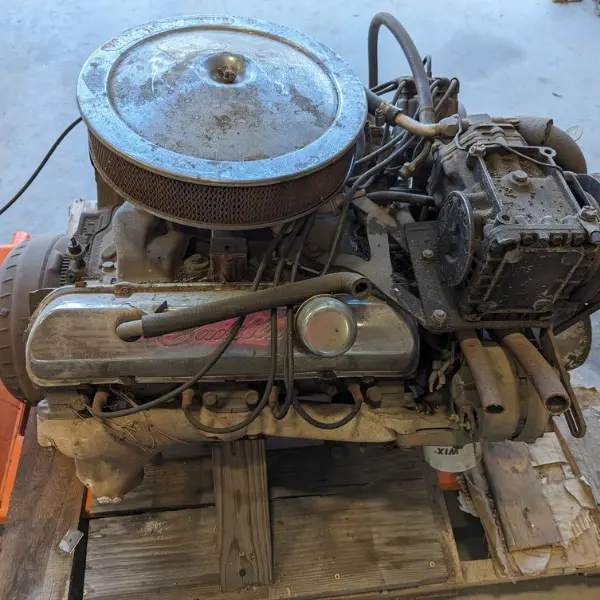
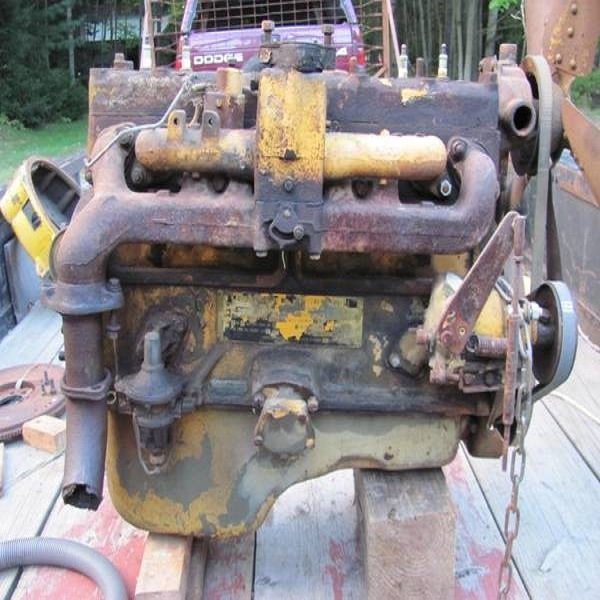
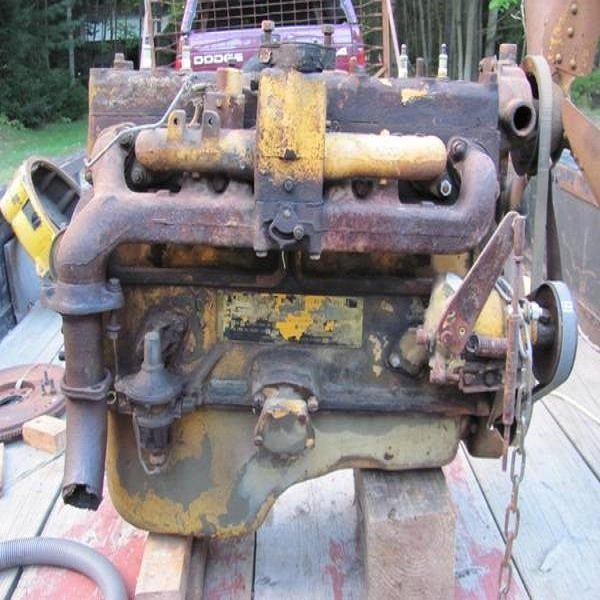
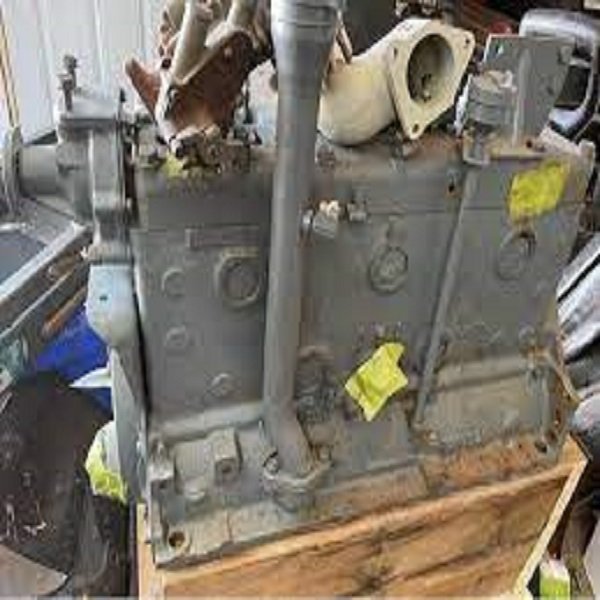
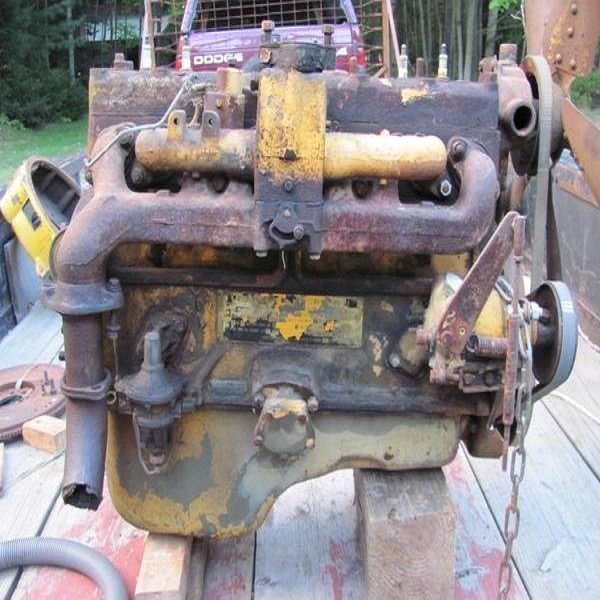
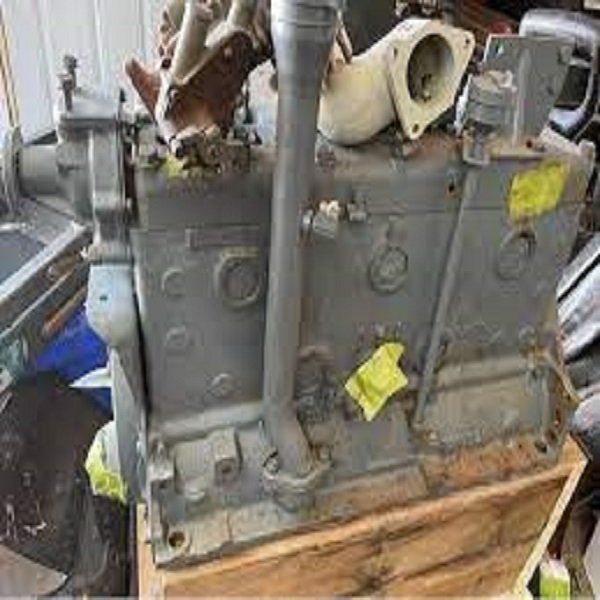
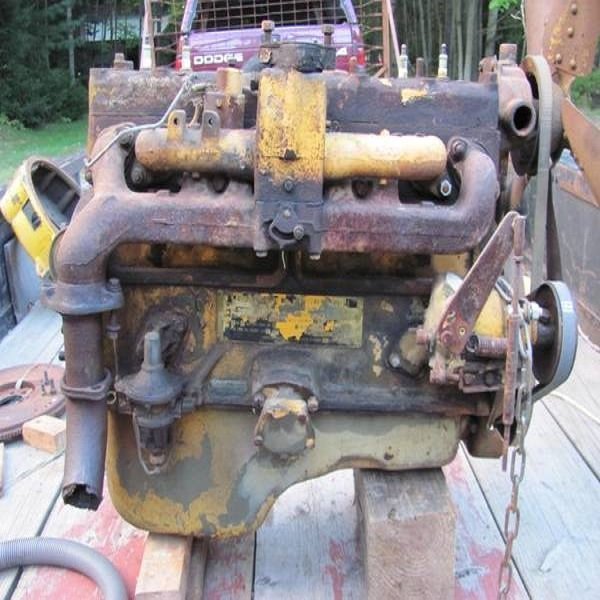
The Dodge 230 is the largest and final displacement of the Chrysler flathead inline-six family- an engine architecture that began production in 1933 and remained in continuous use for over 35 years in automotive, truck, military, and industrial applications. The 230 cubic inch displacement was standardized for both Dodge and Plymouth passenger cars starting in 1954, ending a decade-long period where Dodge used slightly different specifications from Plymouth. The basic internal design- four main bearings, solid lifters, L-head valve arrangement, single-barrel carburetor- remained essentially unchanged from the engine's introduction through the end of civilian production in 1959.
The 230's defining characteristic is its extremely long stroke: 4.625 inches compared to a 3.25 inch bore. This undersquare ratio was chosen deliberately for maximum low-RPM torque at minimal RPM- exactly what a 1950s family car, half-ton truck, or loaded Power Wagon needed. The engine produces its peak torque well below 2,000 rpm and is happiest operating between 1,200 and 2,500 rpm. Asking more than that from it is possible but increasingly inefficient and wears out the crank oiling system faster than Chrysler intended.
The 230 flathead powered every Dodge and Plymouth automobile from 1942 through 1959, plus the full range of Dodge D-series trucks, the legendary Power Wagon, and the wartime Dodge WC series military trucks. In military and industrial applications, the engine continued in production well into the 1970s. The Dodge Power Wagon (WM300) used the 251 cubic inch variant of this same flathead family through its final production year of 1968. Finding a tested, documented 230 flathead is a meaningful event for any serious vintage Dodge restoration.
Output varied significantly by application, compression ratio, and carburetor specification:
| Application | Years | HP | Compression | Notes |
|---|---|---|---|---|
| Dodge Passenger Car (D-series) | 1942 to 1948 | 95 hp | 6.7:1 | Single 1-barrel carb. Lower compression. Wartime and immediate post-war era. |
| Dodge Passenger Car (D-series) | 1949 to 1953 | 103 hp | 7.0:1 | Revised carburetion and timing. Coronet, Meadowbrook, Diplomat. |
| Dodge Passenger Car- Upgraded | 1954 to 1955 | 110 hp | 7.25:1 | Standardized 230 displacement for Dodge and Plymouth from 1954 onward. |
| Dodge Passenger Car- Hi-CR Option | 1956 to 1959 | 120 to 130 hp | 8.0:1 | High-compression option available. Stromberg WW 2-barrel on some Dodge models. |
| Dodge Truck (D-series 1 ton and up) | 1946 to 1959 | 95 to 100 hp | 6.7:1 | Lower compression tuning for commercial duty. Single 1-barrel carb. |
| Power Wagon (WM300) | 1946 to 1959 | 95 hp | 6.7:1 | Low-compression truck tune. Rear-sump oil pan (different from car engines). Must confirm pan configuration. |
| INCLUDED- Long Block | Block, crankshaft, pistons, connecting rods, camshaft, cylinder head, L-head valve train (valves, springs, lifters in block), oil pan, timing cover, and water pump where present. |
|---|---|
| NOT INCLUDED | Carburetor, intake and exhaust manifold (combined in L-head design- on same side of block), distributor and ignition system, generator or alternator, starter, transmission, accessories. |
| Oil Pan Note | Car and truck versions use different oil pan configurations (rear sump vs center sump). Power Wagon and truck engines use rear-sump pans that may not fit in car chassis. We note pan configuration before shipping. |
| Core Note | No core charge. You are not required to return your old engine. |
The Dodge 230 L-Head flathead engine was factory installed in the following vehicles:
| Dodge Coronet, Meadowbrook, Wayfarer, Diplomat (all passenger cars) | 1942 to 1959 |
|---|---|
| Plymouth Cranbrook, Belvedere, Savoy, Plaza (Plymouth passenger cars) | 1954 to 1959 (230 displacement standardized for Plymouth from 1954) |
| Dodge D-Series Trucks (1-ton and heavy) | 1946 to 1959 |
| Dodge Power Wagon (WM300) | 1946 to 1959 (car and truck variants differ- confirm pan type) |
| Dodge WC-Series Military Trucks (various) | 1942 to 1945- primarily 218 cubic inch variant but some 230 applications |
| Industrial and stationary applications | Through early 1970s- forklifts, generators, stationary power plants |
The Dodge 230 flathead uses a unique bellhousing bolt pattern specific to the Chrysler flathead family. It is not directly compatible with the Chrysler LA or B/RB small and big block engines that replaced it. The Fluid Drive semi-automatic or standard 3-speed transmissions from the era are the correct pairings. For a like-for-like restoration replacement, match the engine to the original application's oil pan and bellhousing configuration.
Transmission compatibility: Chrysler Fluid Drive semi-automatic- most common car pairing | Standard 3-speed manual- base car and truck applications | New Process transfer case units for Power Wagon applications. Confirm bellhousing pattern before ordering.
Not sure if this fits? Call (240) 301-0095. We verify fitment before every order ships.
| Dodge 230 flathead | Most common buyer search |
|---|---|
| 230 L-head engine | Technical designation buyer |
| Chrysler flathead 6 | Brand family designation |
| Dodge flathead engine | General flathead buyer |
| Power Wagon 230 engine | Power Wagon restoration buyer |
| 230 inline-6 flathead | Full description buyer |
| vintage Dodge engine | Broad restoration buyer |
| 1950s Dodge engine | Era-specific buyer |
| Dodge 230 for sale | Purchase intent |
| Mopar flathead 6 | Mopar community buyer |
Used OEM vs Rebuilt- Which Is Right for You?
Used OEM is the only practical option for most 230 flathead restoration projects. New replacement engines do not exist. Rebuilt units from vintage Chrysler specialists are extremely difficult to source and typically run $1,800 to $3,500 or more. A tested, compression-checked used OEM unit is the most realistic foundation for a restoration.
A specialist rebuild makes sense for a show car or a Power Wagon or military vehicle requiring specific operating parameters. The vintage Chrysler flathead restoration community is small but dedicated- Power Wagon forums and vintage Mopar clubs maintain lists of qualified rebuilders. Call us and we can advise on current unit condition.
Mileage varies by unit. Where available from the donor vehicle we provide it. Where it cannot be confirmed, we disclose this before your order is placed.
| Displacement | 230.2 cu in (3.8L) |
|---|---|
| Engine Family | Chrysler L-Head (Flathead) Inline-6 |
| Configuration | Inline-6 | L-Head (side-valve flathead) | 12 valves (in block) |
| Bore X Stroke | 3.250 in x 4.625 in |
| Firing Order | 1-5-3-6-2-4 |
| Aspiration | Naturally Aspirated |
| Valve Train | Solid lifters- manual valve adjustment required (no hydraulic lifters) |
| Fuel System | Single 1-barrel downdraft carb (Carter BB or Stromberg WW) | Some 1956 to 1959 models used Stromberg WW 2-barrel |
| Block Material | Cast Iron |
| Head Material | Cast iron (flat- L-head design) |
| Main Bearings | 4 main bearings |
| Compression Ratio | 6.7:1 to 8.0:1- year and application dependent |
| Production Years | 1942 to 1959 (automotive) | through early 1970s (industrial and military) |
| Manufacturer | Chrysler Corporation (Dodge and Plymouth) |
| Important | 218 and 230 are DIFFERENT engines- both from same family but different stroke. We confirm displacement before every order. |
| Oil Viscosity | Use 10W-40 or 15W-40 conventional oil- NOT modern thin synthetic 5W-20 |
| Horsepower | 95 to 130 hp- application and year dependent |
| Compatible Transmissions | Chrysler Fluid Drive semi-auto | 3-speed manual | Power Wagon transfer case units |
| Condition | Used OEM | compression tested and inspected |
Finding a tested 230 flathead for my Power Wagon was a months-long search. Vaz confirmed the truck rear-sump pan configuration before I ordered- which is the detail most sellers get wrong. Compression came back 78 to 84 across all 6, which is correct for a low-compression flathead. Wagon is back on the road and running exactly as these things should- smooth, torquey, and indestructible feeling.
Needed a 230 flathead for my Coronet restoration. Vaz confirmed the car center-sump pan and the higher-compression 1954 to 1955 spec. Compression was good across all 6. They noted one valve was slightly noisy- turned out to be a valve lash adjustment issue, not a worn guide. Fixed at installation. Good honest company that actually understands these engines.
Every used Dodge 230 Flathead Engine For Sale sold by Vaz Auto Solutions is covered by a 15 day replacement warranty from the date of delivery.
To make a claim, contact us within 15 days of delivery at (240) 301-0095 or info@vazautosolutions.com.