






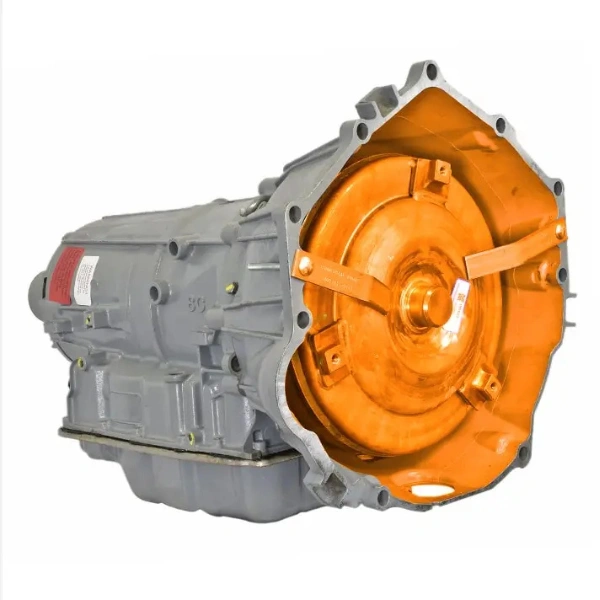



Dodge Van 150 Transmission for Sale | Used Dodge B150 / Ram Van 150 Automatic or Manual

Code: vaz519
(2 customer reviews)

Product Overview & Specifications

  • In Stock, 33-Year Production Coverage
  • Free Shipping to All 50 States, 5-10 Business Day Transit (Heavy Freight)
  • Dodge B-Series Van 1971-2003 33 years longest-produced Dodge vehicle
  • Naming Evolution:
  • Pre-1979 B100/B200/B300 Naming
  • 1979+ B150/B250/B350 Naming Matched pickup truck convention
  • 1981+ Ram Van Branding Marketing identity
  • B150 = 1/2-Ton Van Light duty, below B250/B350
  • Body Styles:
  • Tradesman (Cargo) Commercial work van
  • Sportsman (Passenger) Up to 15-passenger
  • Maxivan (Extended Length) Longer wheelbase
  • Engines Compatible:
  • 225 Slant-Six I6 ‘Leaning Tower of Power’
  • 318 LA V8 (5.2L) Mainstream V8 pre-Magnum
  • 360 LA V8 (5.9L) Heavier duty pre-Magnum
  • 440 RB V8 (Big Block) Limited production heavy duty
  • 3.9L Magnum V6 239ci 1990s era
  • 5.2L Magnum V8 Replaced 318 LA, MPFI
  • 5.9L Magnum V8 Replaced 360 LA, heavier duty
  • Transmissions Available:
  • 727 TorqueFlite 3-Speed Auto Legendary heavy-duty
  • 904 TorqueFlite 3-Speed Auto Lighter duty
  • A500 (42RE) 4-Speed Auto Light-duty with overdrive
  • A518 (46RE) 4-Speed Auto Heavy-duty workhorse with overdrive
  • 3-Speed Manual Pre-1980s some configurations
  • RE/RH Naming:
  • RE = Electronic (1996+)
  • RH = Hydraulic (Pre-1996)
  • LA vs Magnum Engine Distinction Different transmission compatibility
  • RWD Only No 4WD throughout 33-year production
  • Conversion Van Base Heritage 1980s-1990s golden age
  • Class B Motorhome Application
  • Discontinued 2003 Replaced by Mercedes-sourced Sprinter
  • DaimlerChrysler Era Successor Context
  • Internally Inspected No slipping, no leaks, gears engage
  • Torque Converter Functional Automatic only
  • Donor Mileage Disclosed
  • Donor Vehicle Disclosed
  • 100% Inspection Before Every Order Ships
  • Good Salvage Donor Pool
  • 15 Day Replacement Warranty

$800.00

In Stock
100% Fitment Assistance
15 Days Replacement Warranty
Free & Fast Shipping

Description

About the Dodge Van 150 Transmission

Direct fit Dodge B-Series Van across 33 years of US production (1971-2003 the LONGEST-PRODUCED Dodge vehicle single generation). Dodge B-Series Van was Dodge’s full-size van lineup competing with Ford E-Series Econoline (1961-2014, 53 years – longest US van production) and Chevrolet/GMC Van (G-Series then Express/Savana 1996+).

Naming evolution: pre-1979 B100/B200/B300 numbering, renamed 1979+ to B150/B250/B350 to match Dodge pickup truck numbering convention, ‘Ram Van’ branding applied 1981+ adding Ram identity to Dodge Van. So ‘Dodge Van 150’ = ‘B150’ = ‘Dodge Ram Van 150’ same vehicle different marketing names. B150 = 1/2-ton van (light duty, above B100 pre-1979 naming and below B250 3/4-ton and B350 1-ton in 1979+ naming). RWD only throughout 33-year production (no 4WD or AWD ever offered).

Engines: 225 Slant-Six I6 (the FAMOUS Chrysler ‘Leaning Tower of Power’ inline-6 with cylinders tilted 30 degrees, ultra-reliable workhorse), 318 LA V8 (5.2L Chrysler mainstream V8), 360 LA V8 (5.9L heavier duty), 440 RB V8 (big block limited production heavy-duty), 3.9L Magnum V6 (1990s era), 5.2L Magnum V8 (replaced 318 LA), 5.9L Magnum V8 (replaced 360 LA). LA-Series 1964-1992 was older Chrysler V8 family, Magnum 1992-2003 modernized version with multi-port fuel injection and single-plug heads.

Transmissions across B150 production: 727 TorqueFlite 3-speed automatic (the LEGENDARY Chrysler heavy-duty automatic with cast iron case, bulletproof reliability, used across LA V8 variants including 318/360 and 440 V8 heavy-duty), 904 TorqueFlite 3-speed (lighter-duty version for Slant-Six and lighter V8 applications), A500/42RE 4-speed automatic (mid-1980s update with overdrive 4th gear for highway fuel economy, light-duty for V6 and lighter V8 applications), A518/46RE 4-speed automatic (heavy-duty workhorse replacing 727 for heavier applications with 5.9L Magnum V8), 3-speed manual (pre-1980s limited).

Transmission designation systems: TWO numbering systems used – original Chrysler names (727, 904, A500, A518) and RE/RH system (RE = Rear-Wheel-Drive Electronic 1996+ with solenoid-controlled shifting and computer integration, RH = Rear-Wheel-Drive Hydraulic pre-1996 with mechanical/hydraulic shift control). 42RE = A500 variants, 46RE = A518 variants.

Body styles: Tradesman (commercial cargo configuration), Sportsman (passenger with windows, up to 15-passenger), Maxivan (extended length variant either Tradesman or Sportsman). Conversion van base heritage: many B150 vans customized by conversion companies (Glaval, Mark III, Explorer, Star, Centurion) in 1980s-1990s golden age of conversion vans adding custom interiors, captain’s chairs, beds, entertainment systems, roof extensions. Class B motorhome conversions also common.

Discontinuation 2003: After 33-year B-Series run, Chrysler discontinued and replaced with Mercedes-sourced Dodge Sprinter (via DaimlerChrysler era 1998-2007 merger), eventually becoming Mercedes Sprinter standalone. The Sprinter represented modern European approach to cargo vans replacing dated B-Series body-on-frame architecture with unibody European construction and higher roofline.

Dodge B-Series Van Heritage

Production: 1971-2003 (33 years, longest-produced Dodge)

Competition: Ford Econoline (53 years), Chevy/GMC Van

Naming: B100 pre-1979 → B150 1979+ → Ram Van 1981+

B150 Position: 1/2-ton (light duty)

Drivetrain: RWD only (no 4WD ever)

Body Styles: Tradesman, Sportsman, Maxivan

Conversion Heritage: 1980s-1990s golden age

Successor: Mercedes-sourced Sprinter 2003+ via DaimlerChrysler

Transmission Family

727 TorqueFlite: 3-speed legendary heavy-duty (LA V8 era)

904 TorqueFlite: 3-speed lighter duty (Slant-Six/lighter V8)

A500 (42RE): 4-speed with overdrive light-duty 1988+

A518 (46RE): 4-speed with overdrive heavy-duty workhorse 1988+

RE/RH: Electronic (1996+) vs Hydraulic (pre-1996)

3-Speed Manual: Pre-1980s limited production

  • Dodge B150 Coverage:
Dodge B100 Van 1971-1978Pre-renaming era (similar mechanical to B150)
Dodge B150 Van 1979-19801979+ naming convention
Dodge Ram Van 150 1981-2003Post-Ram Van branding
Tradesman 150 (Cargo)Commercial work configuration
Sportsman 150 (Passenger)Up to 15-passenger
Maxivan 150 (Extended)Longer wheelbase variant
Engine Specific Transmission:
225 Slant-Six I6904 TorqueFlite or A500 (42RE) typically
318 LA V8 (5.2L)727 TorqueFlite (heavy-duty) or 904
360 LA V8 (5.9L)727 TorqueFlite heavy-duty typically
440 RB V8 (Big Block)727 TorqueFlite heavy-duty
3.9L Magnum V6A500 (42RE) typically 1990s+
5.2L Magnum V8A518 (46RE) typically 1990s+
5.9L Magnum V8A518 (46RE) heavy-duty 1990s+
Sister Configurations:
Dodge B250 Van 3/4-TonOften shares heavier transmissions
Dodge B350 Van 1-TonHeaviest duty transmission applications
Class B Motorhome (Based on B150)Same transmission applications
Conversion Van (Glaval/Mark III/etc)Same transmission base
NOT Compatible: Dodge CaravanDifferent mini-van platform unrelated
NOT Compatible: Dodge SprinterPost-B-Series Mercedes-sourced different transmissions

Call (240) 301-0095. Critical questions: (1) Year (1971-2003 B-Series). (2) Engine (Slant-Six, 318/360 LA V8, 3.9L Magnum V6, 5.2L/5.9L Magnum V8 – matters for transmission torque rating). (3) Transmission model (727, 904, A500/42RE, A518/46RE – VERY DIFFERENT). (4) Era (pre-1996 hydraulic RH vs 1996+ electronic RE if A500/A518). (5) Body style (Tradesman/Sportsman/Maxivan – heavier passenger/cargo affects transmission spec). (6) Donor mileage preference (lower mileage = longer remaining life). (7) Specify if pre-1979 B100 or 1979+ B150 naming.
Internally inspected Disassembly inspection for wear

All gears engage properly 1st, 2nd, 3rd, 4th (if A500/A518), reverse

No slipping under load

No fluid leaks Pan gasket, output shaft seal, filler tube

Torque converter functional (automatic) Lock-up operation

Bands and clutch packs assessed Remaining service life estimated

Solenoids tested (electronic variants RE)

Output shaft splines intact

Bell housing not cracked

Year/engine/model verified

Donor vehicle mileage disclosed

Donor vehicle context disclosed Body style, era, configuration

Cleaned of grime

For Dodge B150 / Ram Van 150 transmission

33-year B-Series production coverage 1971-2003

Longest-produced Dodge vehicle expertise

Naming evolution context (B100 → B150 → Ram Van)

1/2-ton light-duty van positioning

RWD only throughout production

Tradesman/Sportsman/Maxivan body style knowledge

Conversion van heritage 1980s-1990s golden age

Class B motorhome application context

Slant-Six engine heritage (‘Leaning Tower of Power’)

LA-Series engine family (318/360/440)

Magnum engine family (3.9L V6, 5.2L/5.9L V8)

LA to Magnum transition 1992 modernization

727 TorqueFlite legendary heavy-duty automatic

904 TorqueFlite lighter-duty automatic

A500/42RE 4-speed light-duty overdrive

A518/46RE 4-speed heavy-duty workhorse

RE vs RH electronic/hydraulic distinction

1996 OBD-II electronic transition context

DaimlerChrysler era successor context (Sprinter)

Ford Econoline competition context (longest US van)

Internal transmission inspection

Gear engagement testing

Slipping verification

Leak inspection

Donor vehicle and mileage disclosed

Good salvage donor pool 33-year production

Free shipping all 50 states

15 day warranty

No core charge

Additional information

part-type

Automatic or manual transmission

Vehicle

Dodge B150 / Ram Van 150 / B-Series Van

production

1971-2003 (33 years, longest-produced Dodge)

Naming

B100 pre-1979, B150 1979+, Ram Van 1981+

position

1/2-ton van (light duty)

engines

LA V8 (318/360/440), Magnum V6/V8 (3.9L/5.2L/5.9L), Slant-Six I6

Transmissions Available

3-speed manual, 727 TorqueFlite, 904 TorqueFlite, A500 (42RE), A518 (46RE)

727 Heritage

Legendary cast iron Chrysler heavy-duty automatic

Magnum Era

1992-2003 modernized LA with MPFI

LA Era

1964-1992 older Chrysler V8 family

RE/RH

Electronic 1996+ vs Hydraulic pre-1996

drivetrain

RWD only

body-styles

Maxivan (extended), Sportsman (passenger), Tradesman (cargo)

Conversion Van Heritage

1980s-1990s golden age

discontinued

2003 replaced by Mercedes-sourced Sprinter

Sprinter Successor

Via DaimlerChrysler 1998-2007 era

common-failure

Bands, clutch packs, governor, solenoid, vacuum modulator

approximate-weight

150 to 250 lbs (varies by model)

installation-difficulty

4-6 hours professional, Hard

2 reviews for Dodge Van 150 Transmission for Sale | Used Dodge B150 / Ram Van 150 Automatic or Manual

  1. Anastasios Konstantopoulos-Stamatides

    Replaced failed transmission on my 1995 Dodge Ram Van 150 Sportsman 15-passenger (Ram Van branding era 1981+, 1979+ B150 naming convention era replacing pre-1979 B100 system, 5.9L Magnum V8 ~230 HP/335 lb-ft torque the modernized Multi-Port Fuel Injection version of older 360 LA V8, A518 / 46RH 4-speed heavy-duty automatic transmission the workhorse with overdrive that replaced 727 TorqueFlite for heavier B-Series applications, RWD only configuration throughout 33-year B-Series production, Sportsman passenger configuration with up to 15-passenger seating perfect for our church group, Maxivan extended length wheelbase for additional rear seating capacity). Original 46RH had ~280,000 miles with slipping clutch packs and hard shifts. Vaz educated me extensively on the Dodge B-Series Van heritage (1971-2003 production 33 years the LONGEST-PRODUCED Dodge vehicle single generation without major body redesign comparable to Ford Econoline 53-year run 1961-2014), naming evolution (pre-1979 B100 lighter to B150 1979+ when Dodge matched pickup truck numbering convention, 1981+ Ram Van branding adding Ram identity), B150 1/2-ton light-duty positioning, transmission family (727 TorqueFlite the legendary heavy-duty 3-speed automatic with cast iron case bulletproof reliability used with LA V8 family across Mopar muscle cars/trucks/vans, 904 TorqueFlite lighter-duty 3-speed, A500/42RE 4-speed light-duty with overdrive for fuel economy, my A518/46RE 4-speed heavy-duty workhorse with overdrive replacing 727 for heavier 5.9L Magnum applications), LA-Series vs Magnum engine distinction (LA 1964-1992 older Chrysler V8 family with twin-plug heads, Magnum 1992-2003 modernized LA with single-plug heads and MPFI multi-port fuel injection, my 5.9L Magnum V8 the modernized 360 LA), RE vs RH naming (Electronic 1996+ vs Hydraulic pre-1996, my 46RH hydraulic pre-electronic), Ford Econoline competition context (longest US van production), conversion van golden age 1980s-1990s with Glaval/Mark III/Explorer/Starcraft/Centurion conversion companies, Slant-Six ‘Leaning Tower of Power’ heritage, and DaimlerChrysler era successor context (Mercedes-sourced Sprinter replaced B-Series 2003+ during DaimlerChrysler era 1998-2007). Sourced from 1996 Ram Van 150 Sportsman donor matching my application with A518/46RE that operates excellently. The Dodge B-Series Van 33-year heritage and Chrysler transmission family context was excellent.

  2. Friederike Hartmann-Schweighofer

    Bought transmission for my 1988 Dodge Ram Van 150 Tradesman Maxivan (extended wheelbase commercial cargo configuration, 318 LA V8 5.2L throttle body injection late LA era ~150 HP the mainstream Chrysler V8 of pre-Magnum era 1964-1992 LA-Series family, A500 / 42RH 4-speed light-duty automatic with overdrive 4th gear for highway fuel economy the modernized A904 TorqueFlite successor introduced mid-1980s, RWD only as all B-Series vans, Tradesman commercial trim with painted steel interior and plywood-lined cargo floor for my plumbing contractor work). Original A500 had ~310,000 miles with band slippage causing harsh shifts. Vaz patiently explained the Dodge B-Series heritage (1971-2003 the longest-produced Dodge vehicle 33 years without major body redesign), naming history (1971-1978 B100 with original 100/200/300 numbering, my 1988 in 1979+ B150 era post-rename, Ram Van branding 1981+), transmission family (727 TorqueFlite legendary heavy-duty 3-speed cast iron case Mopar legend used with 318/360 LA V8 family, 904 TorqueFlite lighter-duty 3-speed, my A500/42RH 4-speed light-duty with overdrive mid-1980s introduction modernizing 904, A518/46RH 4-speed heavy-duty workhorse for heavier applications), LA vs Magnum engine transition (my 318 LA TBI late LA era 1988 vs later 5.2L Magnum MPFI Chrysler modernization 1992+ with single-plug heads and multi-port fuel injection), RE vs RH electronic vs hydraulic distinction (my 42RH hydraulic pre-1996 OBD-II), Tradesman/Sportsman/Maxivan body styles (my Maxivan extended length wheelbase), conversion van golden age 1980s-1990s context, Slant-Six 225ci ‘Leaning Tower of Power’ heritage, and Mercedes Sprinter successor 2003+ context. Sourced from 1989 Ram Van 150 Tradesman donor with A500/42RH matching my configuration. One star off because transmission is very heavy 150-250 lbs and shipped 9 days vs my expected 7 days due to freight requirements. But the B-Series 33-year heritage and Chrysler transmission expertise was excellent.

Add a review

Your email address will not be published. Required fields are marked *

Frequently Asked Questions

What is the Dodge B-Series Van heritage?

The Dodge B-Series Van has REMARKABLE 33-YEAR PRODUCTION HISTORY making it one of the longest-running vehicle designs in US automotive history: (1) PRODUCTION SPAN – 1971-2003 (33 YEARS) without major body redesign. This is exceptionally long for any vehicle: (a) Toyota Land Cruiser 70 Series: 38 years current. (b) Ford Econoline: 53 years (1961-2014). (c) VW Type 2 Microbus: 39 years US (variants continued globally). (d) Most vehicles redesigned every 6-8 years. (e) B-Series Van was one of LAST domestic full-size vans with body-on-frame construction. (2) NAMING EVOLUTION: (a) 1971-1978 – B100 (1/2-ton), B200 (3/4-ton), B300 (1-ton). (b) 1979-onward – renamed B150 (1/2-ton), B250 (3/4-ton), B350 (1-ton) to match Dodge pickup truck numbering (Ram 150/250/350). (c) 1981-onward – ‘Ram Van’ branding applied so vehicles known as ‘Dodge Ram Van 150’ or just ‘B150’ SAME VEHICLE. (d) 2003 – production ends after 33 years. (3) COMPETITION: (a) Ford E-Series Econoline (1961-2014, 53 years – LONGEST US van production). (b) Chevrolet/GMC Van (G-Series then Express/Savana 1996+). (c) These three formed full-size van market for decades. (4) BODY-ON-FRAME ARCHITECTURE: (a) Traditional truck-derived construction. (b) Strong for cargo/passenger duties. (c) Heavy compared to modern unibody. (d) Allowed engine/transmission swaps relatively easily. (5) APPLICATIONS – the B-Series was workhorse for: (a) Cargo delivery (UPS competitor before specialized cargo vans). (b) Tradesmen vehicles (plumbers, electricians, contractors). (c) Family passenger transport (Sportsman trim). (d) Conversion vans (1980s-1990s golden age). (e) Class B motorhome conversions. (f) Commercial fleet (ambulance, work van, shuttle). (g) Senior transportation. (h) Limousine services (early). (6) CONVERSION VAN GOLDEN AGE 1980s-1990s: (a) Era when conversion vans were popular family vehicles. (b) Companies like Glaval, Mark III, Explorer, Star, Centurion converted vans. (c) Added: leather captain’s chairs, beds/couches, entertainment (TVs, VCRs, sound systems), carpeting, privacy glass, hi-top or pop-top roofs. (d) Family use: long road trips, vacations, dual-purpose vehicle. (e) Now considered vintage/collectible. (7) WHY 33 YEARS WITHOUT REDESIGN: (a) Stable market – commercial van customers preferred consistency. (b) Tooling costs – new designs expensive. (c) Lower volume vs pickup trucks. (d) Customers valued proven reliability. (e) Chrysler had limited R&D budget vs GM/Ford. (f) Mercedes Sprinter eventually replaced 2003+. (8) 2003 DISCONTINUATION: (a) Replaced by Mercedes-sourced Dodge Sprinter (DaimlerChrysler era 1998-2007). (b) Sprinter represented modern European van design. (c) Higher roofline, unibody, better fuel economy. (d) Chrysler exited domestic full-size van market. (e) Ford Econoline continued until 2014, replaced by Transit. (f) Chevy/GMC Express/Savana continue today (2025). (9) USED MARKET HERITAGE – B-Series vans still common in used market for: (a) Affordable work vehicles (cargo). (b) Conversion van enthusiasts. (c) Class B motorhome conversions. (d) Vintage Dodge enthusiast collectors. (10) FOR TRANSMISSION REPLACEMENT – 33-year production provides EXCELLENT salvage donor pool. Many B-Series vans still on road with various transmission needs.

What is the 727 TorqueFlite?

The 727 TORQUEFLITE is LEGENDARY in Chrysler automatic transmission history: (1) BACKGROUND – 727 TorqueFlite (also called A727, TF727) is Chrysler’s heavy-duty 3-speed automatic transmission: (a) Introduced 1962. (b) Production continued through early 1990s (over 30 years). (c) Used in cars, vans, trucks, and even commercial vehicles. (d) Replaced by A518 (46RE) and later 47RE for heavier applications. (2) ARCHITECTURE: (a) 3-SPEED AUTOMATIC (1st, 2nd, 3rd plus reverse). (b) NO OVERDRIVE – direct drive in 3rd gear, ratios optimized for power delivery. (c) CAST IRON CASE – heavy-duty construction. (d) HYDRAULIC CONTROL – mechanical valve body with no electronics. (e) APPROXIMATELY 200 LBS weight (significantly heavy). (f) FRONT-WHEEL-DRIVE VARIANT (A904 different). (3) WHY 727 LEGENDARY: (a) BULLETPROOF RELIABILITY – many 727s last 300,000+ miles with proper maintenance. (b) HEAVY-DUTY TORQUE CAPACITY – handles up to ~500 lb-ft engine torque easily. (c) SERVICABILITY – mechanical hydraulic systems easier to diagnose/repair than modern electronic. (d) AFTERMARKET PARTS – widely available from manufacturers like B&M, TransGo, Sonnax, Hughes. (e) RACING APPLICATIONS – widely used in drag racing and high-performance applications. (f) HEAT TOLERANCE – cast iron case dissipates heat well. (g) FLUID CAPACITY – large capacity helps cooling. (4) APPLICATIONS: (a) Chrysler full-size sedans (Imperial, New Yorker, etc). (b) Dodge muscle cars (Challenger, Charger, Coronet R/T). (c) Plymouth muscle cars (Cuda, GTX, Roadrunner). (d) Mopar trucks (Dodge D-Series). (e) DODGE B-SERIES VANS (this listing’s vehicle, B100/B150/B200/B250/B300/B350). (f) Commercial vehicles. (g) Marine applications. (h) Some Jeep applications. (5) ENGINE PAIRING – 727 paired with: (a) Slant-Six (some heavy-duty applications). (b) LA V8 family (273/318/340/360). (c) 440 RB V8 Big Block (Mopar 440 – cult engine). (d) HEMI 426 (legendary muscle car engine). (6) WHY 3-SPEED (NO OVERDRIVE): (a) Era when automatics were 2 or 3 speeds (4-speed automatics came 1980s+). (b) Simpler design, fewer parts to fail. (c) Optimized gear ratios for vehicle weight/applications. (d) Fuel economy was secondary to durability concerns. (7) SUCCESSORS: (a) A518 (46RH/46RE) – 4-speed with overdrive 1988+, replaced 727 for heavier applications. (b) 47RE/47RH – even heavier-duty version some heavy trucks. (c) 47RH later changed to 47RE for electronic control. (8) IDENTIFICATION: (a) 727 has ‘A727’ or ‘TF727’ stamped on case or pan. (b) Larger than 904 TorqueFlite. (c) Cast iron case (vs aluminum case some later transmissions). (d) Heavy weight ~200 lbs. (9) FOR B150 VAN – 727 was common with 318/360 LA V8 and 440 V8 configurations through 1980s. After A518 introduction 1988+, 727 phased out for newer vans. Earlier vans (1970s, early 1980s) more likely to have 727. (10) USED MARKET – 727 transmissions still available used, often rebuilt by specialists, command premium prices in muscle car/performance markets but reasonable prices in van applications.

What's the difference between A500 (42RE) and A518 (46RE)?

The A500/42RE and A518/46RE are similar 4-speed automatic transmissions for different duty ratings: (1) DESIGNATION SYSTEMS: (a) ORIGINAL CHRYSLER NAMES: A500 and A518. (b) RE NAMING (1996+ ELECTRONIC): A500 → 42RE, A518 → 46RE. (c) RH NAMING (PRE-1996 HYDRAULIC): A500 → 42RH, A518 → 46RH. (d) The numbers don’t directly relate to gear count – they’re internal Chrysler designations. (2) A500 (42RE/42RH) – LIGHT-DUTY 4-SPEED AUTOMATIC: (a) Updated version of A904 TorqueFlite (lighter-duty 3-speed automatic). (b) Added overdrive (4th gear) for highway fuel economy. (c) Introduced mid-1980s. (d) APPLICATIONS – lighter applications including: 225 Slant-Six, lighter V8 configurations (5.2L Magnum V8 mainstream), 3.9L Magnum V6. (e) Torque capacity ~300 lb-ft. (f) Lighter weight than A518. (g) Common in B150 vans with lighter engine configurations. (h) Lower power-handling than A518 but sufficient for lighter applications. (3) A518 (46RE/46RH) – HEAVY-DUTY 4-SPEED AUTOMATIC: (a) Updated version of A727 TorqueFlite (heavy-duty 3-speed automatic). (b) Added overdrive (4th gear) for highway fuel economy. (c) Introduced 1988+. (d) APPLICATIONS – heavier applications including: 5.9L Magnum V8 (heavier duty), heavier-duty configurations. (e) Torque capacity ~440 lb-ft. (f) Heavier weight than A500. (g) Common in B150 with 5.9L Magnum V8, also B250/B350 heavier vans. (h) Higher power-handling for heavy-duty work, towing, heavy passenger loads. (4) KEY DIFFERENCES: (a) DUTY RATING – A518 heavy-duty, A500 light-duty. (b) TORQUE CAPACITY – A518 ~440 lb-ft, A500 ~300 lb-ft. (c) WEIGHT – A518 heavier (~150 lbs), A500 lighter (~120 lbs). (d) INTERNAL COMPONENTS – A518 larger bands/clutch packs for heavier loads. (e) CASE – both aluminum but A518 stronger internal structure. (f) COOLING – A518 better cooling for heavy use. (5) ELECTRONIC vs HYDRAULIC (RE vs RH): (a) RH (Pre-1996) – hydraulic control with vacuum modulator and governor for shift timing. (b) RE (1996+ OBD-II era) – electronic solenoids and computer control for shift timing. (c) RE allows more precise shift control, learn algorithms, better diagnostic capability. (d) RH simpler, fewer electronic failure modes but less precise. (6) INTERCHANGE – A500 and A518: (a) NOT directly interchangeable due to torque capacity differences. (b) Mounting/case dimensions similar. (c) Driveshaft connection same. (d) Some installations may allow swap but not recommended (overloading A500 with heavy engine causes failure). (7) FOR B150 SPECIFIC: (a) Slant-Six/lighter V8/3.9L V6: A500 (42RE) typical. (b) 5.2L Magnum V8: could be A500 or A518 depending on configuration. (c) 5.9L Magnum V8: A518 (46RE) typical heavy-duty. (8) IDENTIFICATION: (a) Look at transmission pan shape (A500 vs A518 different pan shapes). (b) Vehicle Identification Number (VIN) may indicate. (c) Door jamb sticker may show. (d) Service manual identification. (e) Stamped designation on case or pan. (9) USED MARKET – both A500 and A518 widely available used, generally affordable, often need rebuilding for high-mileage units.

What is the Magnum vs LA engine difference?

The Chrysler LA-SERIES and MAGNUM engines represent SAME BASIC ARCHITECTURE with significant updates: (1) LA-SERIES (1964-1992): (a) Original Chrysler V8 family started 1964. (b) Members: 273 V8, 318 V8, 340 V8, 360 V8, 408 V8 (stroker). (c) Used across Mopar vehicles for ~28 years. (d) Carbureted initially, then throttle body injection (TBI) late 1980s. (e) TWIN-PLUG CYLINDER HEADS on some variants (most LA had single plug, some had dual plug for performance). (f) Iron block, iron heads. (g) Pushrod overhead valve (OHV) design. (h) Famous engines: 318 (5.2L mainstream), 340 (5.6L muscle car high-performance), 360 (5.9L heavier duty), 273 (early lighter V8). (2) MAGNUM (1992-2003): (a) MODERNIZED LA architecture starting 1992. (b) Members: 3.9L Magnum V6, 5.2L Magnum V8, 5.9L Magnum V8. (c) Replaced LA family across all Chrysler applications. (d) Same basic block architecture, internal updates, new heads. (e) SINGLE-PLUG cylinder heads with improved combustion chamber design. (f) MULTI-PORT FUEL INJECTION (MPFI) – one injector per cylinder vs TBI’s single throttle body injector. (g) Better breathing intake manifold. (h) Improved exhaust manifold design. (i) Higher compression ratios. (j) Higher output for same displacement. (3) PERFORMANCE COMPARISON: (a) 318 LA (TBI) ~ 150-170 HP / 270 lb-ft. (b) 5.2L Magnum (MPFI) ~ 220 HP / 295 lb-ft. (c) 360 LA (TBI) ~ 180 HP / 295 lb-ft. (d) 5.9L Magnum (MPFI) ~ 230-245 HP / 335 lb-ft. (e) Power increase from LA to Magnum: ~25-30%. (4) WHY MAGNUM DEVELOPED: (a) Emissions regulations required cleaner combustion. (b) Fuel economy demands required more efficient injection. (c) Performance demands required higher output. (d) Aging LA family needed modernization. (e) Chrysler couldn’t afford clean-sheet new engine. (5) PARTS COMPATIBILITY LA vs MAGNUM: (a) BLOCK – very similar basic structure. (b) CRANKSHAFT – similar in many cases, some Magnum cranks updated. (c) PISTONS – Magnum specific (higher compression). (d) HEADS – DIFFERENT (single-plug Magnum vs twin-plug some LA, different intake/exhaust design). (e) INTAKE MANIFOLD – completely different (carb LA vs EFI Magnum). (f) NOT direct part-for-part interchange overall but many compatible parts. (6) APPLICATIONS: (a) LA-Series: 1964-1992 across Mopar cars/trucks/vans. (b) Magnum: 1992-2003 in cars/trucks/vans/Jeeps. (7) FOR DODGE B-SERIES VAN: (a) PRE-1980 vans typically have LA (318/360). (b) 1980s vans have LA (TBI later). (c) 1990s+ vans have Magnum (5.2L/5.9L). (d) Transition year ~1992. (8) FOR TRANSMISSION COMPATIBILITY: (a) Transmissions used with both LA and Magnum families. (b) 727 used with both. (c) A500/A518 used with later LA TBI and early Magnum. (d) Magnum more often paired with A500/A518 for highway fuel economy. (e) Each transmission has torque rating that affects pairing with specific engine. (9) ENTHUSIAST CONTEXT – both LA and Magnum well-supported aftermarket: (a) LA family iconic in muscle car heritage. (b) Magnum less iconic but very reliable. (c) Many cross-over parts in performance modifications.

How do I remove and install a transmission?

Dodge B150 transmission replacement is HARD/PROFESSIONAL-LEVEL DIY task: (1) PREP/TOOLS NEEDED: (a) Floor jack and jack stands rated for vehicle weight. (b) Transmission jack (rentable from auto parts stores). (c) Socket wrench set (large sizes needed). (d) Torque wrench. (e) Drain pan for transmission fluid. (f) New transmission fluid (ATF+4 typical Chrysler). (g) New filter and pan gasket. (h) Driveshaft removal tools. (i) Engine support fixture (or alternative). (2) RAISE VEHICLE: (a) Park on level surface, set parking brake. (b) Disconnect battery for safety. (c) Drain transmission fluid (warm fluid drains better). (d) Use jack at rated lift points. (e) Place jack stands at frame/axle support points. (f) Ensure stable elevation. (3) DISCONNECT DRIVESHAFT: (a) Mark driveshaft and rear axle yoke for alignment. (b) Remove U-bolts/strap from rear axle. (c) Slide driveshaft forward and out. (d) Cover transmission output to prevent fluid loss. (4) DISCONNECT TRANSMISSION CONNECTIONS: (a) Shift linkage (column or floor shift). (b) Cooler lines (mark or use clamps to prevent flow). (c) Vehicle speed sensor wire (if equipped). (d) Throttle/kickdown cable. (e) Backup light switch (mark for reassembly). (f) Electronic connector (if electronic transmission RE variant). (g) Filler tube. (5) SUPPORT ENGINE: (a) Use engine support fixture across engine bay (rents from auto parts). (b) Or use jack with wood block under oil pan. (c) Engine must be supported when transmission removed. (6) SUPPORT TRANSMISSION: (a) Position transmission jack under transmission. (b) Securely strap transmission to jack. (c) Slight lift to relieve mount weight. (7) DISCONNECT BELLHOUSING: (a) Remove starter motor (attached to bellhousing). (b) Remove dust cover at flywheel access. (c) Remove flywheel-to-torque converter bolts (rotate engine for access to all bolts). (d) Remove flywheel-to-transmission bolts. (e) Remove bellhousing-to-engine block bolts. (8) REMOVE OLD TRANSMISSION: (a) Slide transmission rearward (separating from engine). (b) Lower transmission jack carefully. (c) Roll transmission out from under vehicle. (d) Drain remaining fluid. (9) PREPARE NEW TRANSMISSION: (a) Verify model/configuration matches. (b) Check torque converter installation in pump. (c) Apply small amount of grease to torque converter snout. (d) Verify input shaft seal good. (e) Install new pan gasket if pan removed. (f) Pre-fill with fluid if needed. (10) INSTALL NEW TRANSMISSION: (a) Lift onto transmission jack. (b) Position under vehicle aligned with engine. (c) Slide forward into bellhousing. (d) Align splines and torque converter. (e) Tighten bellhousing-to-engine bolts to torque spec. (f) Install flywheel-to-torque converter bolts. (g) Reinstall flywheel-to-transmission bolts. (h) Install starter motor. (11) RECONNECT: (a) Driveshaft (align marks). (b) Shift linkage. (c) Cooler lines (use new washers if needed). (d) Speed sensor. (e) Throttle/kickdown cable. (f) Backup light switch. (g) Electronic connector. (h) Battery. (12) FLUID FILL: (a) Add transmission fluid through dipstick tube. (b) Check fluid level cold initially. (c) Start engine, let warm up. (d) Recheck fluid level (warm). (e) Add fluid as needed. (13) FUNCTIONAL TEST: (a) Test in park, reverse, neutral, drive in driveway. (b) Listen for unusual noises. (c) Test gear shifts. (d) Test gradual acceleration. (e) Test brake operation. (f) Verify no leaks. 4-6 hours typical for experienced DIYer with proper equipment. PROFESSIONAL INSTALLATION RECOMMENDED for most owners due to complexity, weight, and specific procedures.

What is the Mercedes-sourced Sprinter that replaced the B-Series?

The MERCEDES SPRINTER replaced the Dodge B-Series Van after 33 years: (1) DAIMLERCHRYSLER ERA BACKGROUND: (a) 1998 – Daimler-Benz (Mercedes parent) and Chrysler Corporation merged forming DaimlerChrysler. (b) 1998-2007 – DaimlerChrysler era. (c) During this period, sharing of platforms/technology became possible between Mercedes and Chrysler/Dodge brands. (d) 2007 – DaimlerChrysler split, Mercedes sold Chrysler to Cerberus Capital Management. (e) 2014 – Chrysler became part of Fiat-Chrysler Automobiles (FCA). (f) 2021 – FCA merged with PSA to form Stellantis. (2) MERCEDES SPRINTER ORIGIN: (a) Mercedes had developed Sprinter for European market 1995+. (b) Sprinter was modern unibody European cargo van. (c) Replacement for older Mercedes T1 van. (d) Pioneered MODERN VAN DESIGN with high roof option and unibody construction. (3) DODGE SPRINTER 2003-2009: (a) Mercedes Sprinter REBADGED for North American market as Dodge Sprinter. (b) Replaced discontinued B-Series van 2003+. (c) Also sold as Freightliner Sprinter (commercial). (d) Some models had Mercedes diesel engines or gas engines. (e) Same vehicle as European Mercedes Sprinter, just with Dodge badging for US market. (4) MERCEDES SPRINTER 2010+: (a) DaimlerChrysler ended 2007, Mercedes pulled Dodge branding. (b) Sprinter became Mercedes Sprinter standalone in US market 2010+. (c) Continued through current production (2025). (d) Heavy commercial use including FedEx, Amazon delivery, RV conversions, contractor vehicles. (5) WHY SPRINTER REPLACED B-SERIES: (a) MODERN DESIGN – B-Series 33-year-old body-on-frame architecture was dated. (b) HIGHER ROOFLINE – Sprinter has walk-in cargo area, much taller than B-Series. (c) UNIBODY CONSTRUCTION – better safety, ride quality, fuel economy. (d) DIESEL OPTION – Mercedes turbodiesel popular for commercial use. (e) BETTER FUEL ECONOMY – 20+ mpg vs B-Series 12-15 mpg. (f) MODERN SAFETY – airbags, ABS, traction control, stability control. (g) BETTER CARGO ACCESS – larger door openings. (6) DIFFERENCES B-Series vs Sprinter: (a) Architecture: body-on-frame vs unibody. (b) Engine: Slant-Six/V8 vs European Mercedes engines. (c) Transmission: TorqueFlite vs Mercedes 5/7-speed auto. (d) Cargo height: ~5 ft B-Series vs ~6-7 ft Sprinter. (e) Origin: Detroit USA vs Germany/Argentina. (f) Length: similar but Sprinter has more cargo volume. (7) USED B-SERIES vs USED SPRINTER: (a) B-SERIES (1971-2003) – older, mechanical, body-on-frame, RWD, conventional V8, lower fuel economy. (b) SPRINTER (2003+) – modern, electronic, unibody, RWD with optional 4WD, diesel/gas options, higher fuel economy. (c) B-Series easier to repair (simple mechanical), Sprinter more expensive to repair (Mercedes parts/electronics). (d) Different markets and price points. (8) TRANSMISSION DIFFERENCES: (a) B-Series transmissions (this listing’s product) NOT compatible with Sprinter. (b) Different mounting, different mechanical specifications. (c) Sprinter uses Mercedes 5-speed (W5A580) or 7-speed (722.9) automatics. (d) If you have Sprinter, this listing is wrong product. (9) FOR THIS LISTING – applies to B100/B150/B200/B250/B300/B350 B-Series vans 1971-2003 ONLY. Sprinter is post-2003 different vehicle requiring different parts.

What conversion van brands used the B-Series?

Many CONVERSION VAN COMPANIES used Dodge B-Series Van as base: (1) CONVERSION VAN HERITAGE – 1980s-1990s golden age of conversion vans: (a) Family vehicles before SUVs became dominant. (b) Long road trip vehicles. (c) Dual-purpose vehicles for daily driving and travel. (d) Status symbol with luxurious interiors. (2) MAJOR CONVERSION COMPANIES that used Dodge B-Series: (a) GLAVAL (Glaval Corporation) – one of largest conversion van companies. (b) MARK III – premium conversion vans, well-known brand. (c) EXPLORER VANS – Indiana-based conversion company. (d) STARCRAFT – conversion vans plus boats. (e) CENTURION – performance/luxury conversions. (f) SOUTHERN COMFORT – upmarket conversions. (g) ROCKY MOUNTAIN VANS – custom conversions. (h) COTTAGE INDUSTRIES – smaller regional shops. (3) CONVERSION FEATURES added: (a) CAPTAIN’S CHAIRS – leather/cloth swivel chairs replacing factory bench seats. (b) BEDS/COUCHES – rear seating that converted to bed for sleeping. (c) ENTERTAINMENT SYSTEMS – TVs (CRT then later LCD), VCRs (later DVD players), surround sound speakers, satellite TV some models. (d) CUSTOM CARPETING – thick carpet replacing factory commercial floor. (e) WOOD TRIM – wood paneling, wood door panels, premium materials. (f) PRIVACY GLASS – tinted side windows. (g) HI-TOP ROOF – raised fiberglass roof for standing headroom. (h) POP-TOP – rising roof for camping mode. (i) MOOD LIGHTING – decorative lighting. (j) BAR/REFRIGERATOR – mini-fridge and beverage service. (k) DRESSING ROOM – changing area. (l) RUNNING BOARDS plus STAINLESS STEEL ACCESSORIES. (4) WHY DODGE B-SERIES POPULAR FOR CONVERSIONS: (a) AVAILABLE – Chrysler partnered with conversion companies. (b) ROOMY – large van interior allowed conversion features. (c) SIMPLE PLATFORM – body-on-frame easy to modify. (d) STRONG ENGINES – 318/360 V8 powerful enough for added weight. (e) RELIABLE – Slant-Six and Mopar V8 reliability suited long road trips. (f) COMPETITIVE PRICING – Dodge less expensive base than premium GM/Ford. (5) FORD ECONOLINE COMPETITION – also widely used for conversions. Chevy/GMC vans also used. Dodge had smaller market share than Ford in van conversion market. (6) DECLINE OF CONVERSION VANS – mid-1990s through 2000s: (a) SUVs became more popular family vehicle (Ford Explorer, Chevy Tahoe, etc). (b) Minivans became more practical (Chrysler Town & Country, Dodge Caravan). (c) Fuel economy concerns reduced van appeal. (d) Younger families wanted SUV image not van image. (e) Conversion van industry shrunk dramatically. (7) VINTAGE STATUS TODAY: (a) Conversion vans now considered VINTAGE/NOSTALGIA vehicles. (b) Some restored as collector vehicles. (c) Younger generation rediscovering ‘van life’ (often Sprinter/Transit based but vintage conversion vans appeal). (d) Vintage Dodge B-Series conversion vans command premium prices when restored. (8) FOR TRANSMISSION REPLACEMENT – conversion vans use same B-Series mechanical components. Transmission, engine, drivetrain all original Dodge B-Series. Conversion only modified interior/exterior styling. Same transmission applications apply.

How does shipping work?

Free shipping to all 50 US states. Dodge B150 transmission is heavy (150-250 lbs depending on model) shipped via freight carrier (5-10 days transit, requires loading dock or curbside delivery with liftgate). Good salvage donor pool from 33-year B-Series production with multiple transmission options (727/904/A500/A518). Specific year/engine/transmission combination may take longer to source than mainstream configurations. Transmissions sometimes require professional installation, so allow extra time for arrangement. New rebuilt transmissions available from rebuilders ($1,200-2,500) if used OE not preferred.

Product Warranty

15 Day Replacement Warranty

Covered:

  • Defects discovered at delivery

Not Covered:

  • Damage from improper installation
  • Labor costs of any kind

Contact (240) 301-0095 within 15 days of delivery.

Trust Badges

  • For Dodge B150 / Ram Van 150 Transmission, 1971-2003
  • 33-Year Production Coverage, Longest-Produced Dodge Single Generation
  • Longest-Produced Dodge Vehicle Expertise
  • Naming Evolution Context, B100 → B150 → Ram Van
  • 1/2-Ton Light-Duty Van Positioning
  • RWD Only Throughout Production
  • Tradesman/Sportsman/Maxivan Body Styles
  • Conversion Van Heritage, 1980s-1990s Golden Age
  • Class B Motorhome Application
  • Slant-Six 'Leaning Tower of Power' Heritage
  • LA-Series Engine Family, 318/360/440
  • Magnum Engine Family, 3.9L V6, 5.2L/5.9L V8
  • LA to Magnum Transition 1992
  • 727 TorqueFlite Legendary Heritage, Cast Iron Heavy-Duty
  • 904 TorqueFlite Lighter-Duty
  • A500/42RE 4-Speed Light-Duty Overdrive
  • A518/46RE 4-Speed Heavy-Duty Workhorse
  • RE vs RH Electronic/Hydraulic Distinction
  • 1996 OBD-II Electronic Transition
  • DaimlerChrysler Era Successor Context, Sprinter 2003+
  • Ford Econoline Competition Context, 53-Year US Van
  • Internal Transmission Inspection
  • Gear Engagement Testing
  • Slipping Verification
  • Leak Inspection
  • Donor Mileage Disclosed
  • Good Salvage Donor Pool, 33 Years Production
  • Free Shipping All 50 States
  • 15 Day Warranty
  • No Core Charge