





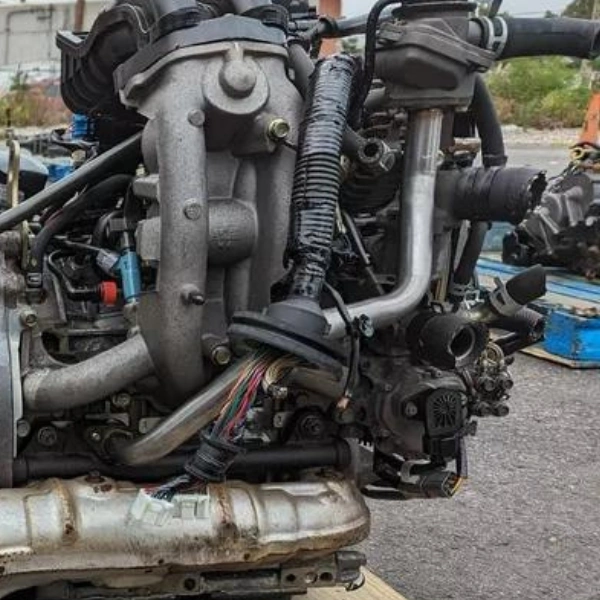



Description
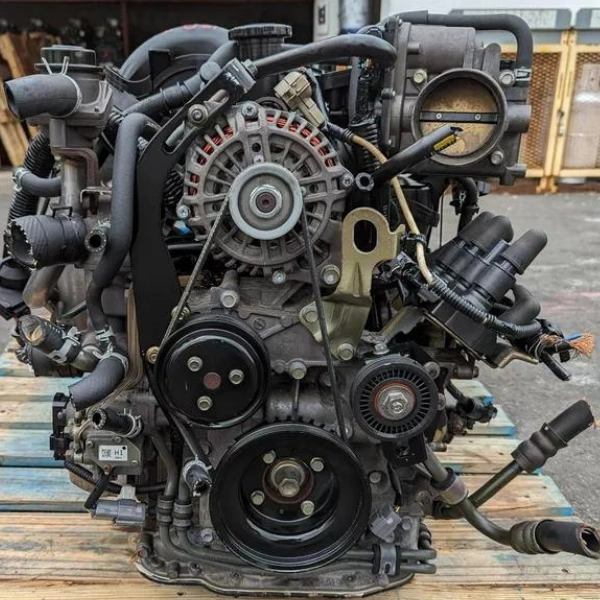
Mazda 13B Engine for Sale: Power and Performance for Your Rotary Dreams
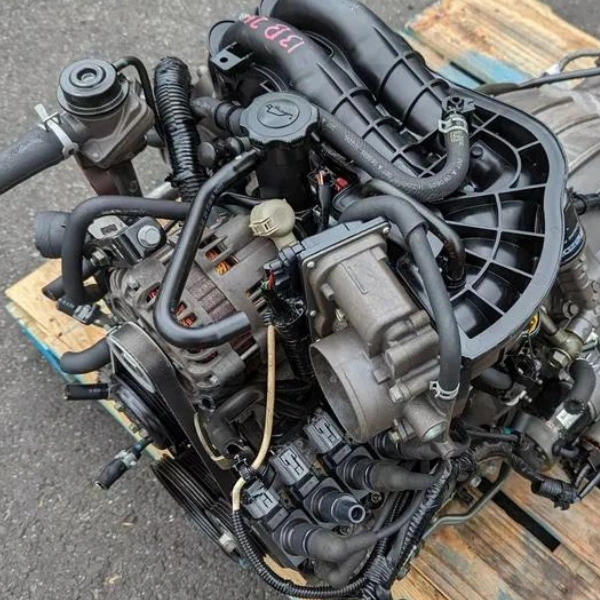
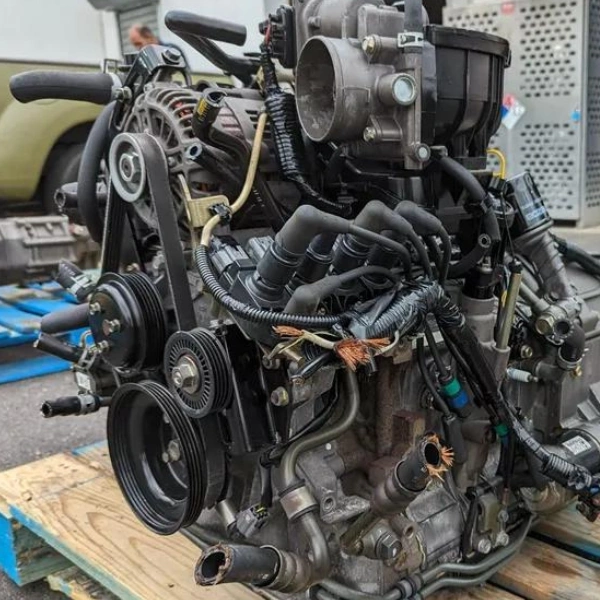
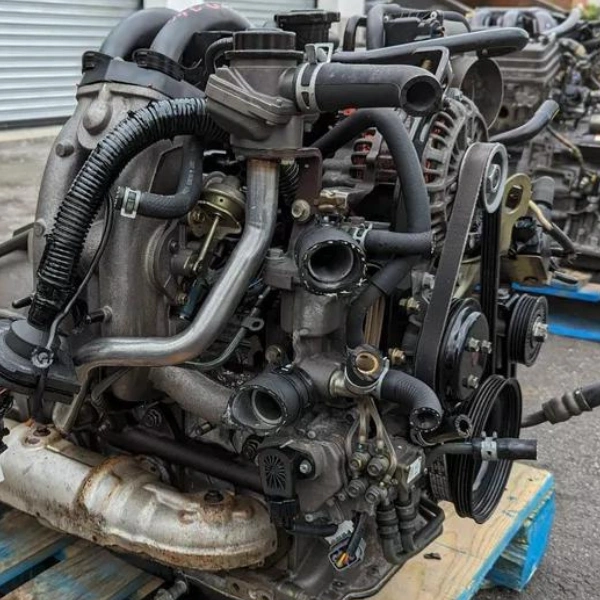
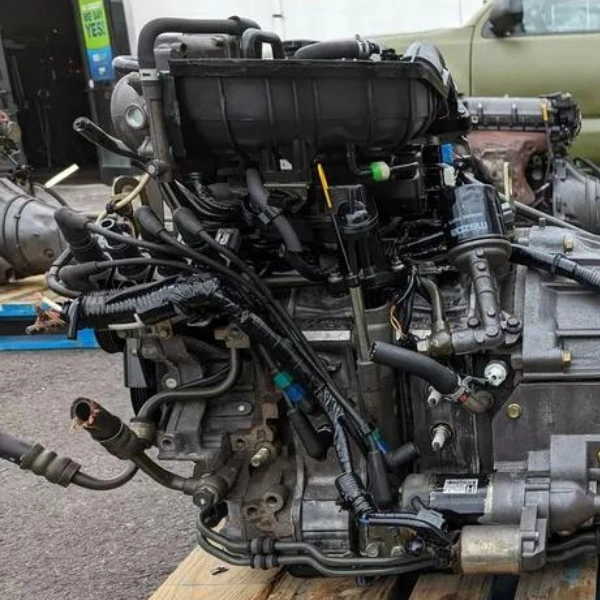
Breathe new life into your RX-7, RX-8, RX-3, RX-4, or custom rotary project with one of the most legendary engines ever produced: the Mazda 13B Wankel rotary engine. If performance and engineering elegance from a rotary engine is what you desire, the 13B for sale here, with its proven design and ability to endure both daily driving and spirited performance, is exactly what you need. The 13B rotary engine for sale here represents nearly 40 years of Mazda rotary engineering, evolved across multiple variants from naturally aspirated to sequential twin-turbocharged. Whether you need a 13B NA for a classic RX-3 restoration, a 13B-T for an FC RX-7 Turbo II, a 13B-REW for an FD RX-7 build, or a 13B-MSP Renesis for an RX-8, we have the right 13B for your project.
The Legendary Mazda 13B Rotary Engine: All Variants Explained
The 13B engine comes in four major variants across its 1973-2012 production span:
### 13B NA (Naturally Aspirated)
The original 13B variant, naturally aspirated with peripheral or side intake ports. Used in:
- Mazda RX-3 (1973-1978): The 13B that started it all in passenger car applications
- Mazda RX-4 (1973-1977): The mid-size rotary sedan/coupe
- Mazda RX-5 Cosmo (1975-1981): Mazda’s flagship rotary GT car of the era
- Mazda RX-7 SA / FB (late production) (1984-1985): The GSL-SE trim upgrade engine
- Mazda RX-7 FC base trim (1986-1988): The naturally aspirated FC RX-7
Output range: 135 to 160 HP depending on year, application, and emissions configuration. Compression ratio typically 9.4:1.
### 13B-T (Single Turbocharged)
The first turbocharged 13B sold in the US market. Used in:
- Mazda RX-7 FC Turbo II (1986-1991): The iconic FC Turbo
- Mazda RX-7 FC Series 5 refresh (1989-1991): Improved 13B-T
Single turbocharger with intercooler, producing 182 HP (early) to 200 HP (Series 5 final). The 13B-T is one of the most popular rotary engines for builders due to its strong factory turbocharging and relative affordability.
### 13B-REW (Sequential Twin-Turbocharged)
The most powerful 2-rotor production engine Mazda ever made. Used in:
- Mazda RX-7 FD (1992-2002): The legendary FD RX-7, US 1992-1995, JDM 1992-2002
- Eunos Cosmo lower trim (1990-1995): JDM-only flagship coupe
Sequential twin-turbo system: small primary turbo for low-RPM response, large secondary turbo activates around 4,500 RPM for sustained high-RPM power. Output: 255 HP (US FD) to 276 HP (JDM final Spirit R spec, factory rated under Japanese gentleman’s agreement). Compression ratio 9.0:1.
The 13B-REW is widely regarded as one of the most acclaimed turbocharged engines ever produced.
### 13B-MSP Renesis (Multi-Side Port Naturally Aspirated)
The final evolution of the 13B, naturally aspirated with side-mounted exhaust ports. Used in:
- Mazda RX-8 (2003-2012): Mazda’s last rotary production car
The “MSP” stands for Multi-Side Port, referring to the engine’s distinctive side-mounted exhaust ports (as opposed to peripheral exhaust ports used in earlier 13B variants). This Multi-Side Port arrangement reduced port overlap, improved emissions, and allowed the engine to meet 21st-century emissions standards. The Renesis won the International Engine of the Year award in 2003.
Output: 197 to 232 HP (standard / automatic transmission) or 238 HP (high-output / manual transmission, 2003-2005). Redline 9,000 RPM (highest of any 13B variant).
13B Engine Variant Comparison Chart
Important Note on Variant Codes
Some sources and listings use terminology like “13B-RE” or “13B-RES” for these engines. The standard Mazda engineering codes are:
- 13B , the base designation (sometimes followed by year or generation code)
- 13B-T , the turbocharged variant
- 13B-REW , the rotary engine Wankel sequential twin-turbo (per various interpretations, “REW” stands for Rotary Engine Wankel, though some sources read it differently)
- 13B-MSP , the Multi-Side Port (Renesis)
We use the standard Mazda variant codes for accuracy. If you’re unsure which 13B variant you need, call (240) 301-0095 and we’ll match by your vehicle and generation.
Key Engineering Features of the 13B Family
- Two-Rotor Wankel Design: Triangular rotors orbiting in epitrochoidal housings, producing rotational motion directly without reciprocating piston masses , compact and lightweight
- 1.3 Liter Nominal Displacement: Two 654 cc rotors, advertised as 1.3L (some markets and tax classifications use the equivalency multiplier)
- Two Spark Plugs per Rotor: Leading and trailing plugs per rotor (4 plugs total) for complete combustion across the elongated combustion chamber
- Apex Seals: The rotary equivalent of piston rings, three apex seals per rotor (six per engine). Earliest 13Bs used 2-piece seals; later variants including REW and MSP use improved 3-piece seals
- Side Seals and Corner Seals: Additional sealing surfaces between rotor faces and side housings
- Oil Metering Pump (OMP): Critical rotary-specific component that injects engine oil into the intake/combustion chamber for apex seal lubrication
- Aluminum Construction: Rotor housings and side housings made from aluminum, reducing weight while iron rotors handle combustion forces
- Eccentric Shaft: The rotary equivalent of a crankshaft, transferring rotor motion to output shaft
Common 13B Service Items (Honest Disclosure)
Honest disclosure of 13B-specific characteristics:
- Oil Consumption is Normal for ALL Rotary Engines: This is by design, not a defect. Expect 1 quart per 1,500-3,000 miles. The oil lubricates the apex seals.
- Apex Seal Service: Apex seals are the rotary equivalent of piston rings. Service life varies by variant: 13B NA typically 100,000-150,000 miles, 13B-T 80,000-120,000 miles, 13B-REW 80,000-120,000 miles, 13B-MSP Renesis 80,000-120,000 miles.
- Compression Test is the Gold Standard: For evaluating rotary engine health, compression test results across all three chambers per rotor are the most reliable indicator.
- Premium Fuel Required: 91 octane minimum, 93 recommended. Regular gas WILL damage the engine.
- Sequential Twin-Turbo Complexity (13B-REW): The FD’s sequential twin-turbo system has many vacuum and pressure control lines that can develop leaks at high age. These engines are now 20-30+ years old.
- Rotary Specialist Required: Service and rebuild work should ONLY be performed by qualified rotary specialists. General mechanics rarely have rotary expertise.
- Italian Tune-Ups Help: Extended high-RPM driving prevents apex seal carbon buildup. Drive your rotary like Mazda intended.
Why Choose a Used Mazda 13B Engine?
- Cost savings vs reman ($1,499 used vs $3,000-$9,000 reman plus core)
- Variant matching , we identify which 13B variant you need based on your vehicle
- Rotary heritage , the most iconic and most-produced Mazda rotary engine
- Tuning potential , the 13B family supports significant power upgrades, particularly the REW variant
- Engine swap appeal , 13B engines are popular swaps into classic rotaries and even non-rotary platforms
- Parts availability , 13B parts are still well-supported by the rotary specialty aftermarket
Here at Vaz Auto Solutions, you’ll find this Mazda 13B engine for sale at the most reasonable price possible, with variant identification (13B NA / 13B-T / 13B-REW / 13B-MSP), generation matching to your donor vehicle, and rotary-specific inspection.
Jake Turner (verified owner) –
Vaz Auto’s 13B is a monster! Threw it in my RX-7 and boom – instant rocket ship. Revs for days, sounds like heaven. Yeah, it’s thirsty, but the grins per gallon are off the charts. Vaz knows their stuff. If you’re on the fence, just do it.
Betty Lou Wilson (verified owner) –
This 13B from Vaz Auto’s got my old Mazda zooming like a cat with its tail on fire. It’s louder than bingo night, but twice as fun. Those nice Vaz boys explained everything. If this old gal can handle it, you youngsters certainly can. Go on, give it a whirl!