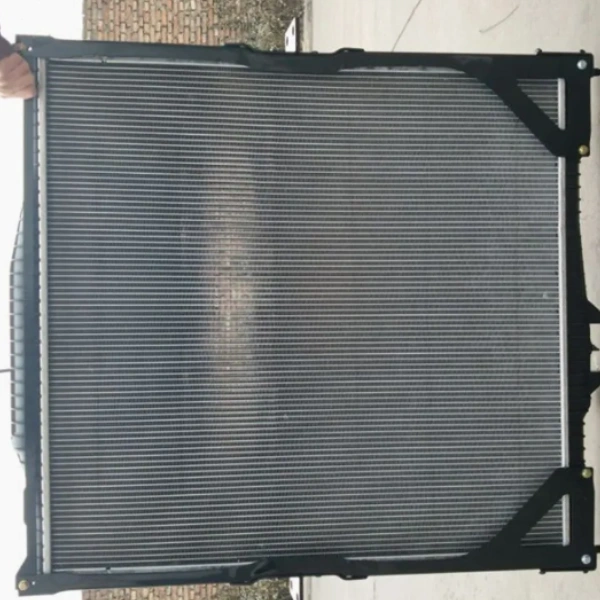

Volvo 50 Series Radiator for Sale | Used Volvo V50 Wagon Radiator

Code: vaz543
(2 customer reviews)

Product Overview & Specifications

  • In Stock for Volvo V50 2004-2011
  • Free Shipping All 50 States, 5-10 Day Transit
  • Volvo 50 Series = V50 5-Door Compact Wagon
  • 8-Year US Production 2004-2011
  • Platform: Ford C1 / Volvo P1 / EUCD
  • Sister Volvo S40 Sedan 2004-2012 (Batch 60 vaz542)
  • Sister Volvo C30 Hatchback 2007-2013 (Batch 60 vaz541)
  • Plus Ford Focus 2nd Gen and Mazda3 1st Gen
  • Ford-Volvo-Mazda Alliance Era Platform
  • Ford Premier Auto Group 1999-2010 Volvo Ownership
  • Body: 5-Door Compact Wagon with Practical Cargo Area
  • Predecessor: 1st Generation V40 Wagon (2000-2004 US)
  • Engines:
  • 2.4L Naturally Aspirated I5 ~168 HP (2.4i trim)
  • 2.5L Turbo I5 T5 ~227 HP (T5 trim)
  • Famous Volvo I5 Engine Family
  • DOHC 20-Valve, Aluminum Block
  • Transmissions:
  • 6-Speed Manual M66 (Aisin Sourced)
  • 5-Speed Geartronic Automatic (Adaptive)
  • Drivetrain: FWD Standard, V50 T5 AWD Optional Some Markets
  • Trims: 2.4i, T5, R-Design (Polestar Sport)
  • Radiator Function: Primary Heat Exchanger Cooling System
  • Construction:
  • Aluminum Core (Tube and Fin)
  • Plastic End Tanks (Crimped with O-Ring Sealing)
  • Integrated Transmission Cooler (Auto-Equipped)
  • Mounting Brackets to Vehicle Front Support
  • Inlet/Outlet Hose Fittings
  • Pressure Cap or Expansion Tank Connection
  • Operating Pressure: ~15-20 PSI
  • Operating Temperature: 195-220 degrees F
  • Common Failures:
  • Plastic Tank Cracking (MOST COMMON – plastic embrittles with heat)
  • Aluminum Core Punctures
  • Plastic Tank Separation from Core
  • Mounting Bracket Breakage
  • Internal Corrosion/Blockage
  • Transmission Cooler Contamination (catastrophic)
  • Symptoms:
  • Coolant Leak Visible Under Vehicle
  • Coolant Level Dropping Without External Leak
  • Engine Overheating
  • Steam from Front of Vehicle
  • Sweet Coolant Smell
  • Pressure-Tested Before Shipping, Donor Disclosed
  • 100% Inspection Before Every Order Ships, 15 Day Warranty

$180.00

In Stock
100% Fitment Assistance
15 Days Replacement Warranty
Free & Fast Shipping

Description

About the Volvo 50 Series Radiator

Direct fit Volvo V50 2004-2011 (8-year US production 5-door compact wagon). URL Note: ‘Volvo 50 Series’ refers to V50 wagon – 50 indicates wagon size tier in Volvo modern naming hierarchy (between 40 series S40 sedan/V40 wagon – Batch 60 vaz542, and 60 series S60/V60/XC60 mid-size). V prefix = Versatile/Wagon. V50 was compact wagon filling practical hatchback/wagon family market position in Volvo lineup.

V50 platform: Ford C1 / Volvo P1 / EUCD shared with S40 sedan 2004-2012 (Batch 60 vaz542), C30 hatchback 2007-2013 (Batch 60 vaz541), Ford Focus 2nd gen 2008-2011, Mazda3 1st gen 2004-2009. Ford-Volvo-Mazda alliance era from Ford Premier Auto Group 1999-2010 ownership of Volvo.

V50 body style: 5-door compact wagon with practical cargo area, longer roof line than S40 sedan, standard wagon profile (different from C30 coupe-like hatch). V50 was Volvo’s compact wagon offering in US market, sister to S40 sedan and (from 2007) C30 hatchback filling Volvo’s compact lineup.

V50 engines: (1) 2.4L naturally aspirated I5 (~168 HP – Volvo famous I5 engine family, DOHC 20-valve aluminum block, distinctive smooth I5 sound signature), (2) 2.5L Turbo I5 T5 (~227 HP – turbocharged performance variant with variable valve timing).

V50 transmissions: 6-speed manual M66 (Aisin sourced) or 5-speed Geartronic automatic (adaptive logic with manual mode). FWD standard, AWD optional for V50 T5 variants in some markets (V50 had more AWD availability than C30 which was FWD only US).

V50 trim levels: 2.4i (NA), T5 (turbo), R-Design (sport with Polestar-inspired styling). V50 was production successor to 1st generation V40 wagon (2000-2004 US production – see Batch 60 vaz542 40 series history for V40 detail). Modern V40 hatchback 2012-2019 was different vehicle (European-only).

Radiator definition: PRIMARY HEAT EXCHANGER in cooling system that removes heat from engine coolant via airflow across aluminum core, maintaining engine operating temperature (~195-220 degrees F for Volvo I5 engines). Function: (1) Hot coolant exits engine via upper (inlet) hose, (2) Flows into radiator top tank, (3) Distributes through many small aluminum tubes with fin construction, (4) Engine cooling fan and vehicle speed airflow pulls heat from coolant through fins, (5) Cooled coolant collects in bottom tank, (6) Returns to engine via lower (outlet) hose, (7) Cycle continues driven by water pump.

Construction: aluminum core (modern automotive – lightweight excellent heat transfer), plastic end tanks crimped to core with O-ring gasket sealing (cost effective but failure point), integrated transmission cooler for auto-equipped vehicles (separate tubes within radiator core for transmission fluid), mounting brackets to vehicle front support, inlet/outlet hose fittings, pressure cap or connection to expansion tank.

Pressure operation: cooling system operates under pressure ~15-20 PSI (raises coolant boiling point above normal 212 degrees F to ~250 degrees F for safe higher temperature operation, allows more efficient heat transfer). Pressure cap releases at set pressure preventing damage.

Common failure modes: (1) PLASTIC TANK CRACKING (MOST COMMON modern radiator failure – plastic embrittles with heat cycles over years, cracks form especially at stress points around hose fittings and crimp joints), (2) Aluminum core punctures (rocks, debris, corrosion from inside), (3) Plastic tank separation from core (crimp joint failure), (4) Mounting bracket breakage, (5) Internal corrosion/blockage (old coolant, dissimilar metal reactions reducing heat transfer), (6) TRANSMISSION COOLER CONTAMINATION (engine coolant mixing with transmission fluid – ‘strawberry milkshake’ condition catastrophic for both systems).

Symptoms: coolant leak visible under vehicle, coolant level dropping without external leak (internal failure), engine overheating (temperature gauge climbing), steam from front of vehicle, sweet coolant smell, white smoke from exhaust (severe internal leak), heater inoperative (air in system from low coolant). Replacement: moderate DIY 2-4 hours, requires coolant drain/refill, hose disconnection, mounting bracket removal, transmission cooler line disconnection if equipped, refill with proper Volvo coolant specification.

Volvo V50 2004 (Launch Year)Direct fit
Volvo V50 2005-2007 (Early Mid-Production)Direct fit
Volvo V50 2008-2009 (Mid-Late)Direct fit
Volvo V50 2010-2011 (Final Years)Direct fit
Engine Specific:
2.4L I5 NA (2.4i trim)Standard radiator
2.5L Turbo I5 T5 (T5 trim)Higher capacity radiator possibly
Transmission Specific:
6-Speed Manual M66No transmission cooler section
5-Speed Geartronic AutomaticIncludes integrated transmission cooler
Drivetrain:
FWD StandardStandard radiator
AWD T5 VariantsMay have different mounting
Sister Vehicles (Platform Shared):
Volvo S40 Sedan 2004-2012 (Batch 60 vaz542)Same I5 – radiator may interchange
Volvo C30 Hatchback 2007-2013 (Batch 60 vaz541)Same I5 – radiator may interchange
Ford Focus 2nd GenDifferent engine – different radiator
Mazda3 1st GenDifferent engine – different radiator
NOT Compatible: Pre-2004 V40 WagonDifferent P1 platform
NOT Compatible: Modern V40 Hatch 2012-2019European-only different platform

Call (240) 301-0095. Critical questions: (1) Year (2004-2011). (2) Engine (2.4L NA vs 2.5L Turbo T5). (3) Manual or automatic (transmission cooler integration differs). (4) FWD or AWD (V50 T5 AWD some markets). (5) Trim (2.4i / T5 / R-Design). (6) Sister S40/C30 cross-reference if needed.

Plastic tanks intact – no visible cracks (especially around fittings)

Aluminum core intact – no punctures, no significant fin damage

Crimp joints intact – tanks securely attached to core

Mounting brackets present and intact

Hose fittings undamaged – threads/clamps good

Transmission cooler section intact if equipped (auto)

Pressure-tested at ~15-20 PSI – holds pressure no leaks

Filler neck/cap thread intact if equipped

No internal blockage signs (heat-treated cleaned)

Donor vehicle disclosed

Volvo V50 radiator (compact wagon 2004-2011)

Volvo modern naming hierarchy knowledge

Ford C1 / Volvo P1 / EUCD platform expertise

Sister Volvo S40 sedan cross-compatibility (Batch 60 vaz542)

Sister Volvo C30 hatch cross-compatibility (Batch 60 vaz541)

Ford-Volvo-Mazda alliance era heritage (Ford PAG 1999-2010)

Sister Ford Focus / Mazda3 platform context

1st gen V40 wagon predecessor context (Batch 60 vaz542 reference)

Modern V40 hatch European-only context

Volvo I5 engine family knowledge

2.4L NA vs 2.5L Turbo T5 distinction

R-Design / Polestar sport context

V50 T5 AWD variant context

Radiator function expertise

Aluminum core / plastic tank construction knowledge

Integrated transmission cooler context (auto-equipped)

Pressure operation 15-20 PSI knowledge

Plastic tank cracking most common failure context

Strawberry milkshake transmission cooler contamination context

Pressure-tested before shipping

Donor disclosed, free shipping, 15 day warranty

Additional information

part-type

Cooling system radiator

Vehicle

Volvo V50 2004-2011

Naming

Volvo 50 Series = V50 wagon tier

platform

Ford C1 / Volvo P1 / EUCD

Sister Vehicles

C30 hatch, Focus, Mazda3, S40 sedan

body-style

5-door compact wagon

engines

2.4L I5 NA, 2.5L Turbo I5 T5

Transmissions

5-spd Geartronic auto, 6-spd manual M66

drivetrain

AWD optional T5, FWD standard

Trims

2.4i, R-Design, T5

predecessor

1st gen V40 wagon (2000-2004 US)

Core

Aluminum tube and fin

End Tanks

Plastic crimped to core

Transmission Cooler

Integrated (auto)

Pressure

~15-20 PSI

common-failure

Plastic tank cracking (most common)

Symptoms

Coolant leak, level drop, overheating, steam

installation

Moderate DIY 2-4 hours

SKU

vaz543

2 reviews for Volvo 50 Series Radiator for Sale | Used Volvo V50 Wagon Radiator

  1. Aristotelis Konstantopoulos-Stamatides

    Replaced cracked radiator on my 2008 Volvo V50 T5 AWD (Volvo V50 5-door compact wagon within 8-year US production 2004-2011, 2.5L Turbo I5 T5 engine ~227 HP famous Volvo I5 engine family turbocharged variant with variable valve timing same engine as C30 T5 Batch 60 vaz541 and S40 T5 Batch 60 vaz542, 6-speed manual M66 transmission Aisin-sourced modern 6-speed for performance variants, AWD configuration V50 T5 AWD optional in some markets with active torque distribution front to rear axle – V50 had broader AWD availability than C30 which was FWD only US, 5-door wagon body with longer roof line than S40 sedan and practical cargo area, on Ford C1/Volvo P1/EUCD platform shared with sister vehicles S40 sedan Batch 60 vaz542 and C30 hatchback Batch 60 vaz541 plus Ford Focus 2nd Generation and Mazda3 1st Generation during Ford-Volvo-Mazda alliance era Ford Premier Automotive Group 1999-2010 Volvo ownership). Original radiator had cracked plastic upper tank near upper hose fitting – coolant leak became visible after months of small dripping plus coolant level dropping plus temperature gauge climbing toward red zone in stop-and-go traffic. Vaz educated me extensively on Volvo V50 heritage (8-year US production 2004-2011 5-door compact wagon, Ford C1/Volvo P1/EUCD platform), Volvo modern naming hierarchy context (number indicates vehicle size tier with 30=C30 compact hatch Batch 60 vaz541 reference, 40=S40 sedan/V40 wagon Batch 60 vaz542 reference, my 50=V50 wagon tier, 60=S60 sedan/V60 wagon/XC60 SUV mid-size, plus letter prefix S=Sedan V=Versatile/Wagon C=Compact XC=Cross Country/Crossover – my V50 is wagon variant in compact tier), sister vehicle context (Ford C1/Volvo P1/EUCD platform shared with my V50 plus Volvo S40 sedan 2004-2012 Batch 60 vaz542 plus Volvo C30 hatchback 2007-2013 Batch 60 vaz541 plus Ford Focus 2nd Generation 2008-2011 plus Mazda3 1st Generation 2004-2009 during Ford-Volvo-Mazda alliance era from Ford Premier Automotive Group 1999-2010 ownership of Volvo – Ford-Volvo-Mazda platform sharing extensive), Volvo I5 engine family heritage (my 2.5L Turbo T5 ~227 HP plus 2.4L NA ~168 HP – distinctive Volvo I5 sound signature with asymmetric firing intervals making distinctive warble or thrum, inline 5-cylinder rare outside Volvo and few Audi applications), 6-speed manual M66 Aisin-sourced context, V50 T5 AWD configuration context (active torque distribution, V50 had more AWD availability than C30 FWD only), V50 predecessor context (1st generation V40 wagon 2000-2004 US production on different P1 platform with Mitsubishi Carisma sister vehicle at NedCar Plant Netherlands joint venture – see Batch 60 vaz542 40 Series history), modern V40 hatchback 2012-2019 European-only different vehicle context, radiator function (primary heat exchanger removing heat from engine coolant via airflow across aluminum core), construction (aluminum core tube and fin with plastic end tanks crimped to core with O-ring sealing plus integrated transmission cooler for auto-equipped vehicles – mine was manual no cooler section plus mounting brackets plus inlet/outlet hose fittings plus pressure cap or expansion tank connection), operating pressure context (~15-20 PSI raising coolant boiling point above 212 degrees to ~250 degrees for higher temperature safe operation), operating temperature 195-220 degrees F for Volvo I5 thermostat range, common failure modes (my plastic tank cracking MOST COMMON modern radiator failure – plastic embrittles with heat cycles over years cracks form especially at stress points around hose fittings, aluminum core punctures, plastic tank separation from core crimp joint failure, mounting bracket breakage, internal corrosion/blockage, transmission cooler contamination strawberry milkshake catastrophic for both systems), symptoms (my coolant leak visible underneath plus coolant level dropping plus my engine overheating plus steam plus sweet coolant smell), and Strawberry Milkshake transmission cooler contamination catastrophic context for understanding. Sourced from 2009 V50 T5 AWD donor matching configuration. Pressure-tested at ~15 PSI for 30 minutes before shipping – held pressure no leaks. The Volvo V50 T5 AWD heritage and Ford C1/EUCD platform context was excellent.

  2. Brunhilde Hartmann-Schweighofer

    Bought radiator for my 2006 Volvo V50 2.4i (Volvo V50 5-door compact wagon within 8-year US production 2004-2011, 2.4L naturally aspirated I5 engine ~168 HP famous Volvo I5 engine family NA variant DOHC 20-valve aluminum block distinctive smooth I5 sound signature, 5-speed Geartronic automatic transmission adaptive logic with manual shift mode, FWD only drivetrain for 2.4i variants, 5-door wagon body with practical cargo area, on Ford C1/Volvo P1/EUCD platform). Original radiator had cracked plastic tank at the transmission cooler line fitting on lower tank – coolant slowly mixing with transmission fluid was discovered during routine maintenance when transmission fluid showed early ‘strawberry milkshake’ coloration. Vaz patiently explained Volvo V50 heritage (8-year US production 2004-2011 compact wagon, sister to S40 sedan Batch 60 vaz542 and C30 hatchback Batch 60 vaz541 on shared Ford C1/Volvo P1/EUCD platform during Ford-Volvo-Mazda alliance era), Volvo modern naming hierarchy (my V50 is wagon variant in 50 series tier between 40 series S40/V40 and 60 series S60/V60/XC60), Volvo I5 engine family (my 2.4L NA 168 HP plus 2.5L Turbo T5 variant), Geartronic 5-speed automatic context (adaptive logic with manual shift mode), V50 predecessor 1st generation V40 wagon context, V50 successor V60 (2011+ different P3 platform) context, radiator function (primary heat exchanger cooling system), construction (aluminum core plus plastic tanks PLUS integrated transmission cooler section for auto-equipped vehicles – my V50 2.4i automatic had transmission cooler section in lower tank where my crack occurred), my plastic tank cracking failure most common modern radiator failure especially at hose/line fittings as stress points, my TRANSMISSION COOLER CONTAMINATION ‘STRAWBERRY MILKSHAKE’ context (engine coolant mixing with transmission fluid through internal radiator failure – catastrophic for both systems requiring complete cooling system flush plus transmission rebuild or replacement, my situation requires immediate radiator replacement plus transmission fluid replacement plus possible transmission damage assessment), symptoms warning (my transmission fluid showing ‘strawberry milkshake’ coloration is classic indicator requiring immediate radiator replacement before transmission damage from coolant in transmission causes clutch and seal damage), prevention context (regular cooling system flush every 5 years 60K miles plus regular transmission service plus replace radiator at first symptoms before catastrophic failure), and pressure operation 15-20 PSI raising boiling point above 212 to 250 degrees context. Sourced from 2007 V50 2.4i automatic donor matching configuration with intact transmission cooler section. After installation flushed cooling system completely plus replaced transmission fluid – early intervention saved transmission rebuild cost. One star off because the milkshake contamination was scary and required full system service beyond just radiator replacement. But the Volvo V50 2.4i heritage and integrated transmission cooler contamination context was excellent.

Add a review

Your email address will not be published. Required fields are marked *

Frequently Asked Questions

What does 'Volvo 50 Series' mean?

‘Volvo 50 Series’ refers to Volvo V50 wagon within Volvo’s modern naming hierarchy. Number 50 indicates wagon size tier (between 40 series S40 sedan/V40 wagon – Batch 60 vaz542, and 60 series S60 sedan/V60 wagon/XC60 SUV mid-size). Letter V = Versatile/Wagon, so V50 is the wagon-specific designation. V50 was Volvo’s compact wagon 2004-2011 US, sister to S40 compact sedan and (from 2007) C30 compact hatchback. No S50 sedan or C50 coupe was ever produced (S40 filled compact sedan role, C30 filled compact hatch role). V50 was successor to 1st generation V40 wagon (2000-2004 US production on different P1 platform with Mitsubishi Carisma sister – see Batch 60 vaz542). Modern V40 hatchback 2012-2019 was European-only and entirely different vehicle from earlier V40 wagon. For more Volvo naming hierarchy detail see Batch 60 vaz541 (C30 30 series) and vaz542 (S40/V40 40 series).

What is the Volvo V50?

Volvo V50 was 8-year US production (2004-2011) 5-door compact wagon. Platform: Ford C1/Volvo P1/EUCD shared with S40 sedan (Batch 60 vaz542), C30 hatchback (Batch 60 vaz541 – launched 2007), Ford Focus 2nd gen, Mazda3 1st gen. Ford-Volvo-Mazda alliance era (Ford Premier Auto Group 1999-2010 owned Volvo). Body: 5-door compact wagon with practical cargo area, longer roof than S40 sedan, standard wagon profile (different from C30 sporty hatch). Engines: 2.4L NA I5 ~168 HP (2.4i), 2.5L Turbo I5 T5 ~227 HP (T5) – famous Volvo I5 engine family. Transmissions: 6-spd manual M66 (Aisin) or 5-spd Geartronic auto. FWD standard, AWD optional T5 variants (some markets). Trims: 2.4i, T5, R-Design (sport with Polestar styling). Sales position: Volvo’s wagon option for families needing more cargo than S40 sedan but smaller than V70 mid-size wagon. Predecessor: 1st gen V40 wagon (2000-2004 US). Successor in spirit: V60 (2011+ on different Volvo P3 platform, more mid-size). Modern V40 hatch (2012-2019) European-only different vehicle.

What's different from sister Volvo S40 and C30?

V50, S40, and C30 are sister vehicles on same Ford C1/Volvo P1/EUCD platform 2004-2013 but different body styles. V50 (this vehicle) = 5-door compact WAGON with cargo area, longer roof line, practical family vehicle, 2004-2011 US. S40 (Batch 60 vaz542) = 4-door compact SEDAN, conventional sedan profile, traditional luxury compact, 2004-2012 US (S40 continued one year longer than V50). C30 (Batch 60 vaz541) = 3-door sporty HATCHBACK with frameless glass tailgate, coupe-like profile, sporty/young buyer, 2007-2013 US (C30 launched 3 years after V50/S40). Mechanical commonality: SAME platform, SAME engines (2.4L NA I5 168 HP, 2.5L Turbo I5 T5 227 HP), SAME transmissions (6-spd M66 manual, 5-spd Geartronic auto), SAME suspension/brakes, SAME many interior parts. Drivetrain: V50 had AWD optional T5 (some markets), S40 had AWD optional T5 (some markets), C30 was FWD only US. Parts interchange extensive: engines, transmissions, brakes, suspension, some interior. Body parts DO NOT interchange (different body styles). For RADIATOR specifically: same engine V50/S40/C30 likely use same radiator (verify configuration). FWD vs AWD may have different radiator mounting/clearance.

Why do plastic radiator tanks crack?

Plastic radiator tank cracking is MOST COMMON modern radiator failure. Why plastic tanks: cost-effective vs old all-metal radiators, lighter weight (fuel economy), easier manufacturing (injection molded plastic), allowed compact radiator designs. WHY THEY CRACK: (1) HEAT CYCLES – plastic exposed to repeated heating (engine running) and cooling (engine off) for years – plastic embrittles over time losing flexibility. (2) PRESSURE CYCLING – cooling system pressurized to ~15-20 PSI during operation, atmospheric when cooled – cycling stresses plastic. (3) UV/CHEMICAL DEGRADATION from underhood heat and oils/coolants. (4) STRESS POINTS – around hose fittings, mounting points, crimp joints to aluminum core – plastic thinner at these areas and concentrates stress. (5) AGE – typical plastic tank lifespan 8-15 years depending on conditions. (6) THERMAL SHOCK – rapid temperature changes (cold water pumped through hot system, opening hot system to cool air) accelerate failure. Common crack locations: (a) Around upper hose neck (most common – heat concentrated, hose strain), (b) Crimp seam where tank meets aluminum core, (c) Lower hose neck, (d) Transmission cooler line fittings on lower tank, (e) Pressure cap neck if integrated. Symptoms: visible coolant leak (often dribbling from cracks), coolant level dropping, sweet smell underhood, eventually overheating. Cannot effectively repair (plastic doesn’t accept welds, epoxy temporary at best). Replacement only permanent fix. All modern Volvos including V50 use plastic tank radiators – expected service life ~10-15 years.

How do I install a V50 radiator?

V50 radiator replacement is moderate DIY (~2-4 hours). Tools: socket and wrench set, drain pan (5 gallons), coolant (Volvo spec, typically Volvo P-OAT extended life or G12++), funnel, hose clamps if reusing or new clamps, possibly fresh hoses, transmission fluid (if auto – replace cooler lines if damaged). Prep: park flat, parking brake, engine COMPLETELY cool (NEVER work on hot cooling system – serious burn and pressure injury risk), gloves, eye protection. Steps: (1) Disconnect battery (safety). (2) Drain coolant from radiator drain petcock (if equipped) or lower hose – catch in drain pan, dispose properly (toxic, kill animals – environmental hazard). (3) Disconnect upper radiator hose at radiator and at engine thermostat housing. (4) Disconnect lower radiator hose. (5) For automatic: disconnect transmission cooler lines (catch ATF, fluid will drain). (6) Remove cooling fan or fan shroud if needed for radiator access. (7) Remove radiator mounting bolts/brackets. (8) Lift old radiator out carefully (drain remaining coolant). (9) Transfer any reusable parts to new radiator (mounting brackets, sensors, fittings if needed). (10) Install new radiator with new mounting hardware, hoses, gaskets. (11) Reconnect transmission cooler lines (auto). (12) Reconnect upper and lower hoses with new clamps. (13) Reinstall cooling fan/shroud. (14) Refill cooling system with proper Volvo coolant (50/50 with distilled water typically). (15) Bleed air from cooling system (key procedure – Volvo has bleed screws or specific bleed procedure depending on engine – consult service manual). (16) Reconnect battery. (17) Start engine, watch temperature gauge, check for leaks. (18) Top off coolant as system bleeds air. (19) Drive vehicle through several heat cycles, check coolant level after each. Critical: proper bleeding required – air pockets cause overheating despite full radiator.

How do I know my radiator needs replacement?

Volvo V50 radiator failure symptoms: (1) VISIBLE COOLANT LEAK under vehicle (most obvious indicator) – bright green, pink, orange, or yellow depending on coolant type, sweet smell. (2) COOLANT LEVEL DROPPING without obvious external leak – internal leak in core or transmission cooler section (catastrophic for transmission if oil mixed). (3) ENGINE OVERHEATING – temperature gauge climbing into red zone, especially at low speeds or idle (radiator inefficient or blocked). (4) STEAM from front of vehicle or under hood. (5) SWEET COOLANT SMELL underhood or in cabin. (6) WHITE/SWEET-SMELLING SMOKE from exhaust (severe internal leak – coolant entering combustion). (7) HEATER INOPERATIVE or weak heat output – air in cooling system from low coolant level. (8) STAINS on driveway or garage floor (coolant residue, often colorful). (9) TRANSMISSION FLUID CONTAMINATION (‘strawberry milkshake’ appearance in fluid – coolant mixing with ATF through internal radiator failure, catastrophic both systems). Diagnostic process: (1) Visual inspection – look for visible cracks especially around fittings, mounting points, crimp joints, signs of dried coolant residue (chalky deposits). (2) Pressure test – mechanic shop tool that pressurizes cooling system to 15-20 PSI, hold pressure 15-30 minutes – drop indicates leak (location may be visible or internal). (3) Coolant smell test in vehicle (cabin smelling sweet = heater core or radiator leak inside cabin air system). (4) Combustion gas test (chemical kit detects exhaust gases in coolant = head gasket or internal radiator failure). (5) Compare actual operating temperature to spec with scan tool. Replacement typical when any leak found or core internally restricted.

What is the integrated transmission cooler?

V50 automatic transmission models have INTEGRATED TRANSMISSION COOLER within radiator (manual transmission models do not have this feature – no transmission cooling needed for manual). Function: transmission fluid runs through dedicated tubes inside radiator end tank (typically lower tank for outflow cooling), cooled by same airflow that cools engine coolant. Why integrated: cost-effective single-component design (vs separate transmission cooler), space-efficient packaging, modular replacement. Connection: transmission cooler LINES (steel or aluminum tubes with rubber connections at flexible joints) run from transmission to radiator lower fittings and back. Operation: hot ATF from transmission flows into radiator transmission cooler section, gives up heat to radiator core / surrounding airflow, returns cooler to transmission. Maintains ATF operating temperature (~175-200 degrees F ideal – too hot accelerates ATF degradation). CONTAMINATION ISSUE: if internal failure occurs between engine coolant section and transmission cooler section within radiator, coolant and ATF MIX = ‘STRAWBERRY MILKSHAKE’ condition. Engine coolant in transmission = catastrophic damage to clutches, seals, electrical solenoids (transmission rebuild required, $2000-4000+). Transmission fluid in cooling system = damages water pump seals, contaminates coolant, requires complete cooling system flush. Both systems likely need rebuild. WHY MILKSHAKE OCCURS: corrosion through internal divider in radiator between cooling sections, manufacturing defect, age failure. Symptoms: pink/brown frothy fluid in either system, transmission shifting issues, overheating, both fluids show contamination. PREVENTION: regular cooling system flush (every 5 years or 60K miles), regular transmission service (60-100K miles depending on use), replace radiator when symptoms appear before catastrophic failure. For manual transmission V50: no transmission cooler section in radiator, simpler radiator design, less concern about milkshake issue.

How does shipping work?

Free shipping all 50 US states. Volvo V50 radiator is moderate weight (10-15 lbs) shipped UPS or FedEx Heavy Goods or freight depending on packaging (5-10 days transit). Good salvage donor pool from 8-year V50 production combined with sister vehicles – S40 sedan (Batch 60 vaz542) and C30 hatchback (Batch 60 vaz541) with same I5 engines often share radiator (verify configuration). Ford Focus and Mazda3 sisters have different engines so different radiators. Customer specifies: year (2004-2011), engine (2.4L NA vs 2.5L Turbo T5 – may differ), automatic vs manual (transmission cooler integration), FWD vs AWD (mounting may differ), trim. Aftermarket new $120-300 if used OE not preferred (Spectra, Denso, Nissens). Modern V40 hatchback (2012-2019) European-only and different vehicle entirely – NOT same radiator. Pre-2004 V40 wagon different platform NOT same radiator.

Product Warranty

15 Day Replacement Warranty

Covered:

  • Defects discovered at delivery

Not Covered:

  • Damage from improper installation
  • Labor costs of any kind

Contact (240) 301-0095 within 15 days of delivery.

Trust Badges

  • For Volvo V50 Radiator 2004-2011
  • 8-Year US Production Coverage
  • Volvo Modern Naming Hierarchy Knowledge
  • Ford C1 / Volvo P1 / EUCD Platform Expertise
  • Sister Volvo S40 Sedan Cross-Compatibility, Batch 60 vaz542
  • Sister Volvo C30 Hatchback Cross-Compatibility, Batch 60 vaz541
  • Ford-Volvo-Mazda Alliance Era Heritage
  • Sister Ford Focus / Mazda3 Platform Context
  • 1st Gen V40 Wagon Predecessor Context
  • Modern V40 Hatch European-Only Context
  • Volvo I5 Engine Family Knowledge
  • 2.4L NA vs 2.5L Turbo T5 Distinction
  • V50 T5 AWD Variant Context
  • R-Design / Polestar Sport Context
  • Radiator Function Expertise
  • Aluminum Core / Plastic Tank Construction
  • Integrated Transmission Cooler Context, Auto-Equipped
  • Pressure Operation 15-20 PSI Knowledge
  • Plastic Tank Cracking Most Common Failure
  • Strawberry Milkshake Contamination Context
  • Pressure-Tested Before Shipping
  • Donor Vehicle Disclosed
  • Free Shipping All 50 States, 15 Day Warranty