












Description
About the GMC Suburban 10 Sill Plate
Direct fit GMC Suburban 1/2-ton 1973-1991 era. ‘Suburban 10′ refers to OLDER GMC Suburban naming convention for 1/2-ton variant (C10 = 2WD, K10 = 4WD), before GM dropped ’10’ naming in 1992 with GMT400 platform modernization (switched to 1500/2500/3500 numbering like sister pickup trucks).
GMC Suburban heritage: GM’s FAMOUS FULL-SIZE SUV with 14+ generations spanning 1935-present (90+ years production making Suburban among LONGEST CONTINUOUS NAMEPLATES in automotive history). Founder of full-size SUV concept before modern SUV era. Used by families/service/commercial applications throughout decades.
3rd/4th generation Suburban 10 1973-1991 era: featured ‘square body’ styling – distinctive iconic American SUV era. Body styles: 3-door (early era) and 4-door (1973+ later – Suburban was among first SUVs to offer 4-door configuration, pre-dating modern SUV 4-door designs). 1/2-ton capacity distinct from Suburban 20 (3/4-ton, Batch 56 vaz517 GMC 2500 reference for older naming) and Suburban 30 (1-ton, Batch 56 vaz518 GMC 3500 reference for multi-era heritage).
Sister vehicle Chevrolet Suburban C10/K10 1973-1991 (same platform, different Chevy badging). GM made both Chevy and GMC versions simultaneously at same plants sharing most mechanical components. Many parts interchange between Chevy and GMC Suburban versions – different grille/badging decorative trim only.
Suburban 10 engines: 305 V8 (5.0L small block), 350 V8 (5.7L most common – the FAMOUS GM small block V8 heritage used across GM lineup 1955-2003), 6.2L Detroit Diesel V8 (optional heavy-duty), 7.4L V8 (454 Big Block some configurations for towing – the famous GM Big Block V8, Batch 56 vaz518 GMC 3500 reference). Transmissions: Turbo-Hydramatic 350 (TH350 3-spd auto common smaller V8), Turbo-Hydramatic 400 (TH400 heavy-duty 3-spd, Batch 56 vaz517 GMC 2500 reference), 700R4 4-spd with overdrive (late 1980s+), 4L60 4-spd (later models), 3-spd/4-spd manual early years. 2WD (C10) or 4WD (K10).
Applications: family hauler (most common pre-minivan era 1984+ Batch 55 vaz510 reference), work vehicle, towing vehicle (RV/boat/trailer), recreational vehicle, government/military use. 4WD K10 versions particularly popular for off-road and rural use.
4th generation 1992+ (GMT400 platform): when GM switched to GMT400 platform 1992 the ‘Suburban 10’ naming was dropped in favor of ‘1500’ designation following sister truck conventions (C1500/K1500 Suburban). Same ’10’ = ‘1500’ translation = ‘1/2-ton’. GMT400 brought modernization including OBD-II federal mandate 1996+ (Batch 56 vaz517 GMC reference for older pre-OBD-II era context).
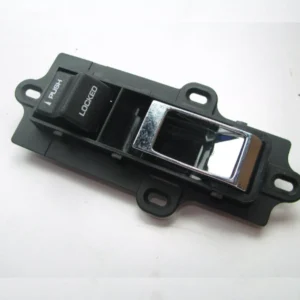
Sill plate definition: trim piece mounted on door threshold/door sill (bottom door frame where rocker panel meets door opening). Functions: (1) Protection (protects sheet metal door threshold from foot wear and damage from many daily entries/exits), (2) Decorative trim (provides finished appearance to door opening), (3) Vehicle branding (often includes ‘Suburban’ or ‘GMC’ logo embossed or painted), (4) Weather seal (helps maintain door seal at threshold), (5) Foot traffic protection (many daily entries/exits wear sheet metal without sill plate).
Construction: stamped steel or metal plate (typically aluminum or stainless steel for corrosion resistance), mounting screws or clips (Phillips screws typical), branding/logo (embossed or painted ‘Suburban’ or ‘GMC’ lettering), anti-slip profile some designs, multiple colors (chrome polished, black, body-color variants).
Common failure modes: bending from foot traffic wear over years, corrosion (especially salt-belt areas), missing screws/clips (lost during removal), damaged logo/branding (worn lettering), cracking (plastic variants), paint wear (painted plates). Replacement is easy DIY 15-30 minutes per plate.
GMC Suburban 10 Heritage
Era: 1973-1991 (pre-GMT400 naming)
Naming: 10 = 1/2-ton (C10 2WD or K10 4WD)
Sister: Chevy Suburban C10/K10 same platform
Suburban Heritage: GM longest continuous nameplate 1935+ (90+ years)
Generation: 3rd-4th gen ‘square body’ iconic era
Body: 3-door early, 4-door 1973+
Engines: 305/350 V8, 6.2L Diesel, 454 Big Block
Transmissions: TH350/TH400/700R4/4L60
Drivetrain: 2WD (C10) or 4WD (K10)
Successor Naming: GMT400 1500/2500/3500 from 1992
| GMC Suburban C10 1973-1991 | 2WD 1/2-ton |
| GMC Suburban K10 1973-1991 | 4WD 1/2-ton |
| Position Specific: | |
| Driver Front (Left) | Specific configuration |
| Passenger Front (Right) | Mirror configuration |
| Rear Driver (Left) | Rear door specific (4-door models) |
| Rear Passenger (Right) | Rear door specific (4-door models) |
| Body Style: | |
| 3-Door Suburban | Front doors only |
| 4-Door Suburban (1973+ Common) | Front and rear doors |
| Sister Vehicle: | |
| Chevy Suburban C10/K10 1973-1991 | Same platform (often interchanges) |
| Trim Level: | |
| Base, Custom, Silverado, Sierra | May affect plate color/style |
| Color Options: | |
| Chrome, Black, Body-Color | Specify preference |
| NOT Compatible: GMT400 Suburban 1500 (1992+) | Different ‘1500’ naming era |
| NOT Compatible: Modern Suburban | Different platform |
Call (240) 301-0095. Critical questions: (1) Year (1973-1991). (2) Position (driver/passenger, front/rear). (3) Body style (3-door or 4-door). (4) Color preference. (5) Trim level if specific.
Konstantinos Konstantopoulos-Stamatides –
Replaced front door sill plates on my 1985 GMC Suburban K10 Silverado 4-Door (K10 4WD 1/2-ton configuration with transfer case and front live axle, 1985 era 3rd generation Suburban 1973-1991 ‘square body’ styling distinctive iconic American SUV era, 350 V8 small block 5.7L the famous GM small block V8 used across GM lineup 1955-2003, TH400 heavy-duty 3-speed automatic transmission the famous GM heavy-duty automatic documented Batch 56 vaz517 GMC 2500 reference for multi-era heritage, 4WD configuration popular for off-road and rural use, 4-door body style for family hauler use as Suburban was among first SUVs to offer 4-door pre-dating modern SUVs, Silverado trim level premium GMC trim with upgraded features). Original front door sill plates had bent from foot traffic wear over 40 years and chrome finish was worn. Vaz educated me extensively on the GMC Suburban 10 heritage (1973-1991 19-year production era of 1/2-ton ‘Suburban 10′ naming with C10 2WD or my K10 4WD designation before GM dropped ’10’ naming in 1992 with GMT400 platform modernization switching to 1500/2500/3500 numbering like sister pickup trucks), GMC Suburban overall heritage (GM’s famous full-size SUV with 14+ generations spanning 1935-present 90+ years production making Suburban among longest continuous nameplates in automotive history, founder of full-size SUV concept before modern SUV era), 3rd generation ‘square body’ iconic era context (1973-1991 distinctive styling, multiple updates through 19-year run, considered prime collector era, K10 4WD variants particularly valued today), Suburban naming convention (10 = 1/2-ton my Suburban, 20 = 3/4-ton documented Batch 56 vaz517 GMC 2500 reference, 30 = 1-ton documented Batch 56 vaz518 GMC 3500 reference, GMT400 1992+ adopted 1500/2500/3500 following Ford F-Series style), sister Chevrolet Suburban C10/K10 1973-1991 cross-compatibility (same platform different Chevy badging, many parts interchange), engine heritage (my 350 V8 famous GM small block plus 305 V8 5.0L plus 454 V8 Big Block 7.4L Batch 56 vaz518 reference plus 6.2L Detroit Diesel V8 optional), transmission heritage (TH350 3-speed automatic, my TH400 heavy-duty 3-speed Batch 56 vaz517 reference, 700R4 4-speed with overdrive late 1980s+, 4L60 4-speed later), 2WD C10 vs 4WD K10 distinction (transfer case and front live axle for 4WD), pre-minivan era family hauler context (1984 Chrysler minivan revolution Batch 55 vaz510 reference began taking family market share), 4th generation GMT400 1992+ context (platform modernization with OBD-II federal mandate 1996+ Batch 56 vaz517 GMC reference for older pre-OBD-II era), and sill plate function (door threshold protection, decorative trim, GMC/Suburban branding, weather seal). Sourced from 1987 K10 Silverado donor matching configuration. The Suburban heritage and square body era context was excellent.
Mathilde Hartmann-Schweighofer –
Bought rear door sill plates for my 1981 GMC Suburban C10 Custom Deluxe 4-Door (C10 2WD 1/2-ton configuration for highway/family use, 1981 era 3rd generation Suburban 1973-1991 ‘square body’ generation, 305 V8 5.0L GM small block base V8 engine, 700R4 4-speed automatic transmission introduced in late Suburban 1980s era with overdrive ratio for better highway fuel economy, 2WD configuration for highway and family use, 4-door body style for family hauler with rear doors having sill plates wear from family use over decades, Custom Deluxe trim level base configuration with practical features). Original rear door sill plates had heavy corrosion from salt-belt area use plus missing branding/lettering. Vaz patiently explained the GMC Suburban heritage (1935-present GM’s longest continuous nameplate with 14+ generations and 90+ years production), Suburban 10 naming context (1/2-ton designation pre-GMT400 era with my C10 2WD vs K10 4WD), 3rd generation ‘square body’ 1973-1991 iconic era, 4-door body style heritage (Suburban among first SUVs to offer 4-door pre-dating modern SUVs), Suburban capacity tiers (10 = 1/2-ton my Suburban, 20 = 3/4-ton Batch 56 vaz517 reference, 30 = 1-ton Batch 56 vaz518 reference), sister Chevrolet Suburban C10/K10 cross-compatibility, engine options (my 305 V8 plus 350 V8 most common plus 454 V8 Big Block heavy towing plus 6.2L Detroit Diesel), transmission heritage (TH350 3-speed for smaller V8, TH400 heavy-duty 3-speed Batch 56 vaz517 reference, my 700R4 4-speed with overdrive for better highway fuel economy late 1980s+, 4L60 4-speed later models, manuals early years), 1992+ GMT400 platform modernization context (dropped ’10/20/30′ for ‘1500/2500/3500’ following industry trend like Ford F-Series naming, OBD-II 1996+ federal mandate Batch 56 vaz517 GMC reference), family hauler heritage pre-minivan era (1984 Chrysler minivan revolution Batch 55 vaz510 reference began shifting family market share to minivans), and sill plate function (door threshold protection from foot traffic wear plus decorative trim plus vehicle branding plus weather seal maintenance plus foot traffic protection over many daily entries/exits). Sourced from 1983 C10 Custom Deluxe donor matching configuration. One star off because finding rear door sill plates vs front door variants took multiple inspections (rear doors less common in donor pool). But the Suburban 10 heritage and ‘square body’ context was excellent.