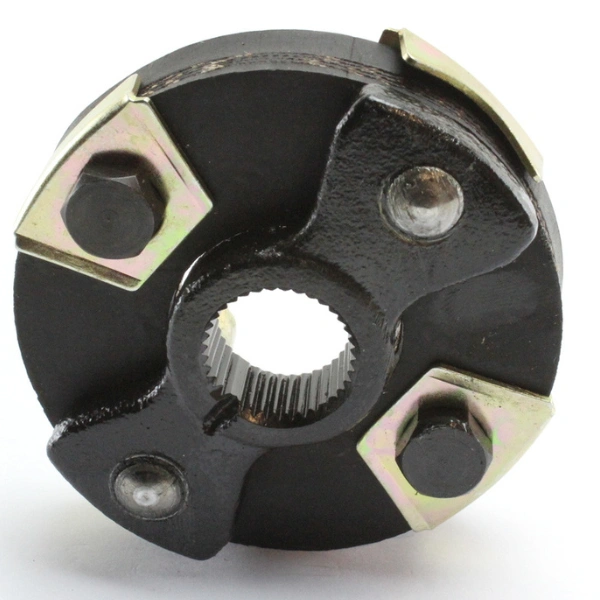

Ford Falcon Rag Joint for Sale | Used Ford Falcon Steering Rag Joint

Code: vaz530
(2 customer reviews)

Product Overview & Specifications

  • In Stock for Ford Falcon Vintage Restoration
  • Free Shipping to All 50 States, 3-7 Business Day Transit
  • Ford Falcon 1960-1970 11 years US production
  • Ford’s First Compact Car 1960
  • Mustang Platform Heritage 1965 Mustang built on Falcon
  • Sister Mercury Comet 1960-1969
  • Ford Ranchero Pickup Variant Same platform 1960-1970
  • Body Styles:
  • 2-Door Coupe, 4-Door Sedan
  • 2-Door Wagon, 4-Door Wagon
  • Falcon Sprint Performance Variant 1963-1965 260/289 V8
  • Futura Premium Trim
  • Country Squire Wagon Premium
  • Engines:
  • Falcon Six I6 Family 144/170/200/250 CID
  • 260 V8 Early Variant
  • 289 V8 Famous Ford Small Block Sprint/Mustang
  • 302 V8 Later Falcon Years
  • Transmissions:
  • Ford-O-Matic 2-Speed Automatic Early Falcon
  • Cruise-O-Matic 3-Speed Automatic
  • C-4 3-Speed Automatic 1964+ Used across Ford lineup
  • 3-Speed Manual Column-Shifted
  • 4-Speed Manual Floor-Shifted Performance variant
  • RWD Only
  • Discontinuation 1970 Ford Maverick successor 1970-1977
  • Australian Falcon Continued Until 2016
  • Rag Joint Construction:
  • Two Steel Flanges with Bolt Holes 3-4 per flange
  • Rubber and Fabric Layered Core ‘Rag’ appearance
  • Vulcanized Rubber Bonding
  • Function:
  • Steering Torque Transmission
  • Shock/Vibration Absorption
  • Misalignment Tolerance
  • Noise Damping
  • Common Failure Modes:
  • Rubber Deterioration (Most Common) 50+ years age
  • Fraying of Fabric Layers
  • Delamination
  • Bolt Hole Wallow
  • Complete Failure SAFETY ISSUE – steering loss
  • SAFETY-CRITICAL Component
  • Professional Installation Recommended
  • Rubber Intact Verified
  • No Fraying Verified
  • Bolt Holes Round
  • Donor Vehicle Disclosed
  • 100% Inspection Before Every Order Ships
  • Limited Donor Pool (60+ Year Old Vehicles)
  • Vintage Ford Restoration Market Active
  • Reproduction Available from Year One/NPD/OPG
  • 15 Day Replacement Warranty

$149.00

In Stock
100% Fitment Assistance
15 Days Replacement Warranty
Free & Fast Shipping

Description

About the Ford Falcon Rag Joint

Direct fit Ford Falcon 1960-1970 (11-year US production). The Ford Falcon was FORD’S FIRST COMPACT CAR introduced 1960 to compete with Chevy Corvair (air-cooled rear-engine) and Plymouth Valiant (slant-six FWD – Batch 57 vaz523 slant-six reference) in emerging US compact car market. The Big-Three compact car class of 1960 (Falcon, Corvair, Valiant) all launched same year establishing the compact car segment in American auto market with Falcon achieving successful sales volumes.

MUSTANG PLATFORM HERITAGE (very important): The Falcon platform FAMOUSLY became basis for FORD MUSTANG – the 1965 Mustang used Falcon platform/components as cost-saving foundation. The iconic Mustang’s massive sales success owed much to proven Falcon architecture underneath. The 1965 Mustang sold over 1 million units in first 18 months using Falcon-derived architecture, making Falcon platform one of most successful in automotive history despite Falcon’s less iconic standalone status.

Sister vehicles: Mercury Comet (1960-1969 Mercury brand variant on same platform), Ford Ranchero pickup (1960-1970 truck variant with coupe front + pickup bed rear on same Falcon platform). Body styles: 2-door coupe, 4-door sedan, 2-door wagon, 4-door wagon, plus Falcon Sprint performance variant (1963-1965 with V8 option), Falcon Futura premium trim, Country Squire wagon premium.

Falcon engines: Falcon Six I6 family (144 CID, 170 CID, 200 CID, 250 CID – became Ford’s MAINSTREAM I6 used across Maverick/Mustang/F-Series/Bronco/E-Series through 1970s-1980s, famous for reliability and simplicity), Ford small block V8 family (260/289/302 – the FORD SMALL BLOCK V8 family originated in Falcon-era vehicles and continued across Ford lineup through 1990s in Mustang/F-Series/Bronco/Crown Victoria). Transmissions: Ford-O-Matic 2-speed automatic (early), Cruise-O-Matic 3-speed automatic, C-4 3-speed automatic (1964+ used across Ford lineup), 3-speed manual column-shifted, 4-speed manual floor-shifted (performance variant). RWD only.

Discontinuation 1970: Falcon discontinued in US market, replaced by Ford Maverick (1970-1977 compact successor with modernized styling). However, AUSTRALIAN FALCON continued production until 2016 as important Australian family car for decades after US Falcon ended. The US Falcon era ended 1970 but Australian Falcon had its own decades-long heritage.

Rag joint definition: flexible steering coupling between steering column and steering box (older steering systems pre-modern U-joints). Functions: (1) Steering torque transmission, (2) Shock absorption (cushions vibration from steering box back to wheel), (3) Misalignment tolerance (allows slight angle between column and steering box for manufacturing/assembly), (4) Noise damping, (5) Road feedback attenuation for comfort.

Name origin: ‘rag joint’ comes from construction material looking like ‘rag’ or ‘cloth’ – layered rubber and fabric material sandwiched between metal flanges. Construction: two steel flanges (steel plates with bolt holes), rubber and fabric layered core (multiple reinforced layers), mounting bolt holes (3-4 per flange), fabric reinforcement (woven fabric between rubber for tensile strength), rubber bonding (vulcanized rubber bonded between fabric layers).

Common failure modes vintage cars: rubber deterioration (MOST COMMON – 60+ year old vintage cars have brittle/hard rubber from decades of heat/cold cycles), fraying (fabric layers tear from stress and age), delamination (rubber and fabric separate), bolt hole wallow (oval-shaped from steering forces), complete failure (catastrophic failure allows steering wheel rotation without wheels following – SAFETY ISSUE), noise/clicking.

Inspection signs: excessive steering wheel play (turns 1+ inch before wheels respond), clicking during steering, visible cracking/tearing, loose mounting bolts, imprecise steering feel, steering vibration. Replacement is moderate DIY 1-2 hours requiring SAFETY-CRITICAL care. Test thoroughly before driving at speed.

Ford Falcon Heritage

Production: 1960-1970 (11 years US)

Position: Ford’s first compact car

Mustang Platform Heritage: 1965 Mustang built on Falcon

Sister: Mercury Comet 1960-1969

Pickup Variant: Ford Ranchero same platform 1960-1970

Engines: Falcon Six I6 family, 260/289/302 V8

Sprint Variant: 1963-1965 performance V8

Successor: Ford Maverick 1970-1977

Australian Falcon: Continued until 2016

Rag Joint Function

Function: Flexible coupling column to steering box

Construction: Two steel flanges, rubber/fabric layered core

Benefits: Misalignment tolerance, vibration dampening

Mounting: 3-4 bolts per flange

Common Failure: Rubber deterioration after decades

Safety: SAFETY-CRITICAL component

Ford Falcon 1960-1962 (Early Era)Initial compact car launch
Ford Falcon 1963-1965 (Sprint Era)Sprint performance variant
Ford Falcon 1966-1969 (Mid Era)Continued production
Ford Falcon 1970 (Final Year US)Replaced by Maverick
Engine Configurations:
144 CID Falcon Six I6Standard rag joint
170 CID Falcon Six I6Standard rag joint
200 CID Falcon Six I6Standard rag joint
250 CID Falcon Six I6 (Late)Standard rag joint
260 V8 (Early Sprint)May affect steering box selection
289 V8 (Sprint/Mustang)May affect steering box selection
302 V8 (Late Falcon)May affect steering box selection
Steering Type:
Manual SteeringStandard rag joint
Power Steering (Optional)Different coupling possibly
Sister Vehicles:
Mercury Comet 1960-1969Same platform, rag joint often interchanges
Ford Ranchero 1960-1970Same platform, rag joint often interchanges
Related:
1965 Ford MustangSome Falcon platform parts but Mustang-specific steering
NOT Compatible: Ford Maverick (1970-1977)Different platform (successor)

Call (240) 301-0095. Critical questions: (1) Year (1960-1970). (2) Engine (I6 or V8 – may affect steering box). (3) Manual or power steering (different couplings potentially). (4) Body style (coupe/sedan/wagon/Ranchero – usually same rag joint). (5) Sprint or standard model.

Rubber intact No major cracks or hardening

No fabric fraying Layers integral

No delamination Rubber and fabric bonded

Bolt holes round Not oval-shaped wallow

Steel flanges undamaged No bending or cracks

Bolt threads intact Not stripped

Vintage age expected 50+ year old part wear typical

Year/configuration verified

Donor vehicle disclosed

SAFETY-CRITICAL inspection performed

For Ford Falcon rag joint vintage restoration

1960-1970 11-year production coverage

Ford’s first compact car heritage

Mustang platform heritage knowledge (1965 Mustang from Falcon)

Sister Mercury Comet cross-compatibility

Ford Ranchero pickup variant context

Body styles knowledge (coupe/sedan/wagon/Ranchero)

Falcon Sprint 1963-1965 performance heritage

Futura premium trim context

Country Squire wagon variant context

Falcon Six I6 engine family heritage (across Ford 1970s-1980s)

Ford small block V8 family origin (260/289/302 in Falcon era)

Ford-O-Matic 2-speed automatic heritage

Cruise-O-Matic 3-speed automatic context

C-4 3-speed automatic origin context

RWD-only configuration

1960 launch year context (with Corvair and Valiant Big-Three compact debut)

Compact car segment establishment heritage

Ford Maverick 1970-1977 successor context

Australian Falcon continued production until 2016 context

Rag joint function expertise (steering torque, vibration dampening)

Rubber and fabric construction knowledge

Common failure mode expertise (rubber deterioration)

SAFETY-CRITICAL component handling

Vintage Ford restoration market knowledge

Year One / NPD / OPG reproduction vendor context

60+ year old vehicle parts availability

Rubber integrity verification

Donor vehicle disclosed

Free shipping all 50 states

15 day warranty

Professional installation recommended (safety-critical)

Additional information

part-type

Steering rag joint / flexible coupling

Vehicle

Ford Falcon 1960-1970

production

11 years US (Ford's first compact car)

Mustang Heritage

1965 Mustang built on Falcon platform

Sister

Mercury Comet 1960-1969

Pickup Variant

Ford Ranchero 1960-1970

body-styles

coupe, Ranchero pickup, Sedan, wagon

Sprint

1963-1965 performance V8 variant

Engines I6

144/170/200/250 CID Falcon Six family

Engines V8

260/289/302 Ford small block

Transmissions

C-4, Cruise-O-Matic, Ford-O-Matic, manuals

drivetrain

RWD only

successor

Ford Maverick 1970-1977

Australian Falcon

Continued until 2016

construction

rubber/fabric layered core, Two steel flanges

mounting

3-4 bolt holes per flange

Safety Status

SAFETY-CRITICAL (steering)

common-failure

bolt hole wallow, delamination, fraying, Rubber deterioration

approximate-weight

1 to 2 lbs

2 reviews for Ford Falcon Rag Joint for Sale | Used Ford Falcon Steering Rag Joint

  1. Apollonios Konstantopoulos-Stamatides

    Replaced rag joint on my 1964 Ford Falcon Sprint (1963-1965 Falcon Sprint performance variant the Falcon’s first V8 era introducing 260 V8 then 289 V8 establishing performance heritage that led directly to 1965 Mustang launch using Falcon platform/components as cost-saving foundation, 289 V8 high-output ~271 HP the famous Ford small block V8 used in Sprint and early Mustang, 4-speed manual transmission floor-shifted performance variant, RWD configuration as all Falcons throughout production, 2-door hardtop coupe body style for sporty Sprint configuration, manual steering standard configuration). Original 60-year-old rag joint had badly deteriorated rubber and fraying fabric layers – classic vintage rag joint failure mode requiring replacement before complete failure. Vaz educated me extensively on the Ford Falcon heritage (1960-1970 11-year US production Ford’s first compact car introduced 1960 with Chevy Corvair and Plymouth Valiant establishing US compact car segment with Big-Three compact debut), MUSTANG PLATFORM HERITAGE (1965 Mustang built on Falcon platform – Falcon platform famously became basis for iconic Mustang’s massive success selling over 1 million units in first 18 months using Falcon-derived architecture, Mustang’s success owes much to proven Falcon foundation underneath, my 1964 Sprint pre-Mustang was essentially proto-Mustang demonstrating Falcon performance capability), sister Mercury Comet 1960-1969 cross-compatibility, Ford Ranchero pickup variant 1960-1970 same platform with coupe front and pickup bed rear, Falcon body styles (coupe/sedan/wagon/Ranchero plus my Sprint plus Futura premium trim plus Country Squire wagon), Falcon Six I6 engine family (144/170/200/250 CID became Ford’s mainstream I6 used across Maverick/Mustang/F-Series/Bronco through 1970s-1980s), Ford small block V8 family origin (260/289/302 originating in Falcon-era vehicles like my Sprint and continuing across Ford lineup through 1990s in Mustang/F-Series/Bronco/Crown Victoria documented Batch 57 vaz526 reference for LTD Crown Victoria heritage), transmission options (Ford-O-Matic 2-speed automatic early, Cruise-O-Matic 3-speed, C-4 3-speed automatic origin 1964+ used across Ford lineup, 3-speed manual column-shifted, my 4-speed manual floor-shifted performance), Australian Falcon continued production until 2016 context, Ford Maverick 1970-1977 successor (compact car succession with Falcon Six I6 continued in Maverick), Ford Fairmont 1978-1983 Fox-body successor compact (Batch 57 vaz525 reference), rag joint function and construction (flexible steering coupling with two steel flanges and rubber/fabric layered core looking like rag, transmits steering torque and absorbs shock/vibration and tolerates misalignment), common failure modes (my rubber deterioration most common in 60-year-old rag joint plus fraying and delamination and bolt hole wallow), SAFETY-CRITICAL nature of rag joint (failure causes steering loss requiring professional installation recommended), and vintage Ford restoration market (Year One Restoration vintage Ford specialty, NPD National Parts Depot Ford Specialty, OPG Original Parts Group, Auto Body Specialties). Sourced from 1965 Falcon Sprint donor matching configuration. The Falcon-Mustang heritage and Sprint performance variant context was excellent.

  2. Henriette Hartmann-Schweighofer

    Bought rag joint for my 1966 Ford Falcon Futura 4-Door Sedan (1960-1970 Falcon era Ford’s first compact car, 200 CID Falcon Six I6 inline-6 engine ~115 HP the mainstream Falcon Six I6 used across Falcon production and later Maverick/Mustang/F-Series, C-4 3-speed automatic transmission introduced 1964+ used across Ford lineup, RWD configuration, 4-door sedan body style for family/commuter use, Futura premium trim level above base Falcon with comfort features). Original 58-year-old rag joint had bolt hole wallow and rubber hardening typical of decades-old steering components. Vaz patiently explained the Ford Falcon heritage (1960-1970 11-year US production Ford’s first compact car competing with Corvair and Valiant from 1960 Big-Three compact debut), Mustang platform connection (1965 Mustang built on Falcon platform demonstrating platform’s commercial success), sister Mercury Comet vehicle context, Ford Ranchero pickup variant 1960-1970, Falcon Six I6 engine family (my 200 CID and others 144/170/250 became Ford mainstream I6), Ford small block V8 origin (260/289/302 in Falcon-era), C-4 automatic transmission heritage origin in Falcon era 1964+ then used across Ford lineup for decades, Ford Maverick 1970-1977 successor context (continued Falcon Six I6 and small block V8 traditions), Australian Falcon continued production until 2016 context, Mercury brand discontinuation 2011 context (Batch 57 vaz525 LTD II Mercury Cougar XR-7 reference plus Batch 58 vaz527 Ford Freestar/Mercury Monterey sister vehicle reference for Mercury brand history), rag joint function and construction (flexible steering coupling between column and steering box, two steel flanges with rubber/fabric layered core, vulcanized rubber bonding), name origin (‘rag joint’ from rubber and fabric looking like rag or cloth), common failure modes (my bolt hole wallow and rubber hardening from 58 years plus fraying delamination and complete failure SAFETY ISSUE), SAFETY-CRITICAL nature requiring professional installation recommended, and vintage Ford restoration market (Year One/NPD/OPG reproduction available). Sourced from 1967 Falcon Futura donor matching configuration. One star off because finding 1966 specific year vs nearby years took multiple inspections. But the Falcon vintage heritage and Mustang platform context was excellent.

Add a review

Your email address will not be published. Required fields are marked *

Frequently Asked Questions

What is the Ford Falcon heritage?

Ford Falcon was FORD’S FIRST COMPACT CAR (1960-1970 US production, 11 years): (1) 1960 LAUNCH – introduced 1960 as Ford’s entry into emerging US compact car market. (2) BIG-THREE COMPACT DEBUT 1960 – Falcon launched same year as Chevy Corvair and Plymouth Valiant. All three compact cars introduced 1960 establishing compact car segment in American auto market. (3) SUCCESSFUL SALES VOLUMES – Falcon achieved strong sales helping legitimize compact car segment. (4) MUSTANG PLATFORM HERITAGE – the most important Falcon legacy: 1965 Ford Mustang BUILT ON FALCON PLATFORM. Mustang used Falcon platform/components as cost-saving foundation. Mustang sold over 1 million units in first 18 months using Falcon-derived architecture. (5) SISTER VEHICLES: Mercury Comet (1960-1969), Ford Ranchero pickup (1960-1970 same platform with coupe front + pickup bed rear). (6) BODY STYLES: 2-door coupe, 4-door sedan, 2-door wagon, 4-door wagon, Ranchero pickup variant, Falcon Sprint performance variant (1963-1965 with V8), Futura premium trim, Country Squire wagon. (7) ENGINES: (a) Falcon Six I6 family – 144/170/200/250 CID – became Ford’s mainstream I6 used across Maverick/Mustang/F-Series/Bronco through 1970s-1980s. (b) Ford small block V8 family – 260/289/302 – the famous Ford small block V8 originated in Falcon-era vehicles. (8) SPRINT VARIANT – 1963-1965 Falcon Sprint had V8 option (260 then 289) establishing Falcon performance heritage and demonstrating platform capability that led to Mustang. (9) DISCONTINUATION 1970 – US Falcon discontinued, replaced by Ford Maverick (1970-1977 compact successor). (10) AUSTRALIAN FALCON – continued production in Australia until 2016 as important Australian family car for decades. (11) ENTHUSIAST INTEREST – Falcon strong restoration community especially Sprint performance variants and Mustang connection. Australian Falcon also has loyal following. (12) PARTS – good vintage Ford restoration market support (Year One, NPD, OPG).

How did the Mustang use Falcon platform?

1965 Ford Mustang famously USED FALCON PLATFORM as foundation: (1) BACKGROUND – Ford needed to develop new sporty/youth-oriented car quickly and economically in early 1960s. (2) MUSTANG DEVELOPMENT 1962-1964: (a) Lee Iacocca (then Ford VP) championed Mustang concept. (b) Cost-conscious development required existing platform. (c) Falcon platform selected as foundation. (d) Modified Falcon chassis with new bodywork. (3) PLATFORM SHARING – Mustang used Falcon: (a) Chassis/floor pan architecture. (b) Suspension components. (c) Drivetrain options. (d) Many mechanical components. (e) Engine bay layout. (4) MUSTANG SPECIFIC: (a) New bodywork (2-door fastback, coupe, convertible). (b) Sporty styling distinct from Falcon. (c) Performance-oriented marketing. (d) Standard 170 CID I6 base, 200 CID I6, 260/289 V8 optional. (5) LAUNCH 1964 (April 17, 1964) – Mustang introduced as 1965 model year. (6) IMMEDIATE SUCCESS – sold over 1 million units in first 18 months. Set sales records. Defined ‘pony car’ segment. (7) WHY MUSTANG SUCCEEDED: (a) Affordable price (Falcon foundation kept costs low). (b) Sporty styling appealed to youth market. (c) Multiple engine/transmission options. (d) Mass marketing campaign. (e) Right time/right car (baby boomers entering car-buying age). (8) FALCON PLATFORM LEGACY: (a) Without Falcon, no Mustang as we know it. (b) Falcon platform’s commercial success made Mustang possible. (c) Mustang became more iconic than Falcon despite Falcon being foundation. (9) MUSTANG PLATFORM EVOLUTION: (a) 1965-1973 used Falcon-derived platform. (b) 1974-1978 ‘Mustang II’ used Pinto platform. (c) 1979-2004 ‘Fox Body’ Mustang (Batch 57 vaz525 reference). (d) Later Mustangs continued platform changes. (10) FOR PARTS – some Falcon parts compatible with early Mustang (1965-1966 especially). Rag joint and steering components often interchange. (11) HERITAGE – Falcon-Mustang connection is important automotive history. Both vehicles have dedicated enthusiast communities.

What is a rag joint and how does it work?

RAG JOINT is FLEXIBLE STEERING COUPLING in vintage cars: (1) DEFINITION – rag joint connects steering column (from steering wheel) to steering box (which controls front wheels). (2) NAME ORIGIN – ‘rag joint’ from rubber and fabric layered material looking like ‘rag’ or ‘cloth’. The visible fabric-and-rubber laminate gives joint distinctive appearance. (3) FUNCTIONS: (a) STEERING TORQUE TRANSMISSION – transmits driver’s steering wheel rotation from column to steering box. (b) SHOCK ABSORPTION – cushions vibration from steering box back to wheel. (c) MISALIGNMENT TOLERANCE – allows slight angle misalignment between column and steering box (eases manufacturing/assembly tolerances). (d) NOISE DAMPING – reduces mechanical noise transmission. (e) ROAD FEEDBACK ATTENUATION – filters some road feel for comfort. (4) CONSTRUCTION: (a) Two steel flanges (steel plates with bolt holes). (b) Rubber and fabric layered core (multiple alternating layers). (c) Fabric reinforcement (woven fabric for tensile strength). (d) Vulcanized rubber bonding. (e) 3-4 mounting bolt holes per flange. (5) HOW IT WORKS: (a) Steering wheel rotates steering column. (b) Column flange rotates rag joint top half. (c) Rubber/fabric core transmits torque to bottom half. (d) Bottom flange connects to steering box input shaft. (e) Steering box translates rotation to wheel direction change. (6) WHY USED IN VINTAGE CARS: (a) Affordable manufacturing solution. (b) Effective vibration dampening. (c) Tolerance for assembly variations. (d) Acceptable wear life under normal use. (7) MODERN REPLACEMENT – modern cars typically use: (a) Steering U-joints (mechanical universal joints). (b) Telescoping steering columns. (c) Plastic/metal couplings. (d) Electric power steering eliminates some couplings. (8) FAILURE MODES Vintage Rag Joints: (a) Rubber deterioration (most common after decades). (b) Fabric fraying. (c) Delamination. (d) Bolt hole wallow. (e) Complete failure (SAFETY ISSUE). (9) WHEN TO REPLACE: (a) Excessive steering play. (b) Clicking sounds. (c) Visible rubber cracking. (d) Loose mounting. (e) Imprecise steering feel. (10) SAFETY – rag joint failure can cause LOSS OF STEERING. SAFETY-CRITICAL component. Replace at first signs of wear. Professional installation recommended.

How do I replace a rag joint safely?

Ford Falcon rag joint replacement is MODERATE DIY ~1-2 hours but SAFETY-CRITICAL: (1) IMPORTANCE – rag joint is safety-critical steering component. Failure can cause loss of steering control. Professional installation recommended if uncertain. (2) TOOLS NEEDED: (a) Socket wrench set with extensions. (b) Open-end and box-end wrenches. (c) Penetrating oil for stuck bolts. (d) Steering wheel puller (may be needed). (e) Index marker (paint pen). (f) New rag joint. (g) Patience for tight space. (3) PREP/SAFETY: (a) Park on level surface. (b) Wheels straight ahead. (c) Disconnect battery. (d) Open hood for access. (4) LOCATE RAG JOINT: (a) Look in engine compartment near firewall. (b) Follow steering column from cabin to engine bay. (c) Rag joint is between column and steering box. (d) Two flanges separated by rubber/fabric core. (5) MARK ORIENTATION: (a) Use paint pen or marker. (b) Mark current alignment between column flange and steering box flange. (c) Critical for maintaining steering wheel center after replacement. (d) Don’t skip this step. (6) REMOVE MOUNTING BOLTS: (a) 3-4 bolts hold rag joint to column. (b) 3-4 bolts hold rag joint to steering box. (c) Use socket with extension. (d) Apply penetrating oil if stuck. (e) Note bolt positions. (7) REMOVE OLD RAG JOINT: (a) Once all bolts out, lift joint out. (b) May need to compress slightly. (c) Watch for shims or hardware. (8) INSPECT OPENING: (a) Check column splines for damage. (b) Check steering box input for damage. (c) Clean as needed. (9) INSTALL NEW RAG JOINT: (a) Position new joint between flanges. (b) Align with marks made in step 5. (c) Install bolts hand-tight first. (d) Verify alignment correct. (e) Tighten to specifications (typically 18-25 ft-lbs vintage Ford). (10) VERIFY STEERING WHEEL POSITION: (a) Should be at correct center position. (b) If off, may need to adjust. (c) Re-mark and retry if needed. (11) RECONNECT BATTERY. (12) TEST IN SAFE AREA: (a) Test in parking lot first. (b) Drive at low speed first. (c) Verify steering response. (d) Listen for noise. (e) Test full lock-to-lock. (f) Verify return-to-center. (g) Gradually increase speed if all functions properly. (13) ROAD TEST: (a) Drive in controlled area. (b) Verify steering response. (c) Test braking effect on steering. (d) Highway speed test only after confirmed working at lower speeds. (14) PROFESSIONAL INSPECTION RECOMMENDED: (a) After self-installation, consider professional alignment check. (b) Make sure all safety aspects verified. (15) IF ANYTHING SEEMS WRONG – don’t drive vehicle. Re-inspect installation. SAFETY-CRITICAL component.

Why is rag joint failure dangerous?

Rag joint failure is DANGEROUS because of STEERING DEPENDENCY: (1) STEERING SYSTEM RELIANCE: (a) Rag joint is direct connection between steering wheel and front wheels. (b) Driver’s input MUST transfer through rag joint to wheels. (c) Failure breaks chain of steering control. (2) FAILURE MODES: (a) Complete tear/separation – no steering possible. (b) Partial tear – inconsistent steering response. (c) Excessive play – delayed response. (d) Sudden failure during driving – immediate loss of control. (3) DRIVER EXPERIENCE if Failed: (a) Steering wheel turns but wheels don’t follow. (b) Wheel rotates with no resistance. (c) Vehicle continues straight ahead or follows previous direction. (d) Inability to navigate curves or avoid obstacles. (e) Catastrophic accident potential. (4) HIGH-SPEED FAILURE: (a) Most dangerous scenario. (b) Highway speeds 60-70+ mph. (c) Curves or maneuvers require active steering. (d) Loss of steering at speed often catastrophic. (5) LOW-SPEED FAILURE: (a) Parking lot speeds 5-15 mph. (b) More survivable but still dangerous. (c) Could still hit pedestrians or vehicles. (6) WARNING SIGNS BEFORE FAILURE: (a) EXCESSIVE STEERING PLAY (wheel turns >1 inch before wheels respond). (b) CLICKING/POPPING during steering. (c) STEERING WHEEL VIBRATION. (d) RUBBER VISIBLE CRACKING/TEARING when inspected. (e) DELAMINATION visible. (7) WHY VINTAGE RAG JOINTS FAIL: (a) Age – rubber degrades over 50+ years. (b) Heat cycles – engine bay heat accelerates aging. (c) UV exposure – some exposure causes rubber breakdown. (d) Stress cycles – millions of steering operations over lifetime. (e) Lack of replacement – many vintage cars have original 60+ year old rag joints. (8) INSPECTION FREQUENCY: (a) Annual visual inspection minimum for vintage vehicles. (b) Replace at first signs of significant wear. (c) Don’t wait until failure. (9) PREVENTIVE REPLACEMENT: (a) Many restorers replace rag joints as preventive maintenance during major work. (b) Cost relatively low ($39-95 used or aftermarket). (c) Labor relatively easy. (d) Peace of mind valuable. (10) MODERN ALTERNATIVES – some restorers replace rag joint with: (a) Universal joint conversion kits. (b) Modern flexible couplings. (c) These eliminate rag joint failure mode. (d) Some originalists insist on period-correct rag joint. (11) FOR FALCON SPECIFICALLY – 1960-1970 vehicles now 55-65 years old. Most have original rag joints unless previously replaced. Inspection critical. Many show advanced wear. (12) PROFESSIONAL ASSESSMENT – if uncertain, have qualified vintage car mechanic inspect. Don’t drive vehicle with suspect rag joint.

What was the Falcon Sprint?

Falcon SPRINT was performance variant 1963-1965: (1) BACKGROUND – introduced 1963 to add performance image to Falcon line. (2) FIRST V8 IN FALCON – Sprint introduced 260 V8 (4.3L) option, then 289 V8 (4.7L). Falcon’s first V8 offering. (3) PERFORMANCE FEATURES: (a) V8 engine standard (260 then 289). (b) Sport-tuned suspension. (c) Bucket seats. (d) Sport instrumentation. (e) Distinctive Sprint badging. (f) Often 4-speed manual transmission option. (g) Sport wheels. (4) BODY STYLES Sprint: (a) 2-door hardtop coupe. (b) Convertible (rare). (c) Most common in coupe configuration. (5) PERFORMANCE NUMBERS Sprint with 289 V8: (a) 271 HP (high-output version) or 200 HP (standard). (b) 0-60 mph ~7 seconds (high-output). (c) Quarter mile mid-15 seconds. (d) Competitive performance for era. (6) MUSTANG CONNECTION: (a) Sprint’s V8 capability demonstrated Falcon platform performance potential. (b) Sprint development influenced Mustang design. (c) Many Sprint components used in early Mustang. (d) 289 V8 same engine used in early Mustang. (e) Sprint was essentially proto-Mustang. (7) DISCONTINUATION 1965: (a) Falcon Sprint discontinued after 1965 when Mustang launched. (b) Mustang absorbed performance buyer market. (c) Falcon continued in standard configurations through 1970. (8) COLLECTOR VALUE TODAY: (a) Falcon Sprint particularly collectible. (b) Especially Sprint convertible (rare). (c) High-output 289 V8 examples premium. (d) Less expensive than equivalent Mustang typically. (9) RESTORATION COMMUNITY: (a) Sprint has dedicated enthusiast community. (b) Performance Falcon community active. (c) Cross-pollinates with Mustang community. (10) PARTS – Sprint shares most parts with regular Falcon plus V8-specific components: (a) Rag joint (this listing) compatible with Sprint. (b) Sprint V8-specific parts (260/289 V8 engines, manifolds, etc) more specialized. (c) Many Mustang parts cross-compatible due to platform sharing.

How does Falcon compare to Maverick?

Ford Falcon (1960-1970) and Ford Maverick (1970-1977) are RELATED but DIFFERENT compact cars: (1) PRODUCTION TIMELINE: (a) Falcon 1960-1970 (11 years US). (b) Maverick 1970-1977 (8 years US). (c) Maverick replaced Falcon in Ford’s compact lineup. (2) PLATFORM RELATIONSHIP: (a) Maverick used UPDATED Falcon platform (not entirely new). (b) Maverick mechanical similar to Falcon. (c) Some parts interchange between Falcon and early Maverick. (d) Maverick more modern styling. (3) STYLING: (a) Falcon 1960s styling typical era. (b) Maverick 1970s ‘fastback’ styling more modern. (c) Different bodywork. (d) Different proportions slightly. (4) ENGINES: (a) Falcon – Falcon Six I6 (144/170/200/250 CID), 260/289/302 V8. (b) Maverick – Falcon Six I6 continued (170/200/250 CID), 302 V8. (c) Engine families largely shared. (5) BODY STYLES: (a) Falcon – 2-door coupe, 4-door sedan, wagon, Ranchero pickup. (b) Maverick – 2-door coupe, 4-door sedan (no wagon, no pickup variant). (c) Maverick body style range reduced. (6) DRIVETRAIN: (a) Both RWD only. (b) Similar transmission options. (7) PERFORMANCE: (a) Falcon Sprint (1963-1965) had V8 performance variant. (b) Maverick Grabber/Comet GT had performance trim with V8 option. (c) Both had sporty variants. (8) SISTER VEHICLES: (a) Falcon – Mercury Comet. (b) Maverick – Mercury Comet (continued sister vehicle 1971-1977). (9) MARKET POSITIONING: (a) Both compact cars in Ford’s lineup. (b) Maverick competed with Volkswagen Beetle, Chevy Nova, Plymouth Duster. (c) Less popular than Mustang in performance segment. (10) SUCCESSORS: (a) Maverick replaced by Ford Fairmont (1978-1983 Fox-body Batch 57 vaz525 reference for LTD II era context). (b) Compact car lineage continued through Fairmont then Tempo. (11) FOR PARTS – many Falcon parts compatible with Maverick: (a) Falcon Six I6 engines shared. (b) Some transmissions shared. (c) Suspension components share. (d) Rag joint may interchange with verification. (e) Bodywork mostly unique to each. (12) ENTHUSIAST INTEREST: (a) Falcon more iconic due to Mustang heritage. (b) Maverick has dedicated but smaller following. (c) Both affordable vintage Ford compacts.

How does shipping work?

Free shipping to all 50 US states. Ford Falcon rag joint is small/lightweight (1-2 lbs) shipped in protective box. UPS or FedEx Ground typical (3-7 days transit). Limited salvage donor pool from 60+ year old vehicles plus sister Mercury Comet (1960-1969) doubling sources somewhat. Many 1960-1970 Falcons have been scrapped or restored over decades, making donor parts increasingly scarce. Reproduction rag joints widely available new from vintage Ford restoration vendors (Year One, NPD, OPG) at $35-95 if used OE not preferred. NOS premium-priced when available. SAFETY-CRITICAL component – professional installation recommended. Strong enthusiast community supports parts availability for Falcon especially due to Mustang platform connection.

Product Warranty

15 Day Replacement Warranty

Covered:

  • Defects discovered at delivery

Not Covered:

  • Damage from improper installation
  • Labor costs of any kind

Contact (240) 301-0095 within 15 days of delivery.

Trust Badges

  • For Ford Falcon Rag Joint, 1960-1970
  • 11-Year Production Coverage
  • Ford's First Compact Car Heritage
  • Mustang Platform Heritage, 1965 Mustang Built on Falcon
  • Sister Mercury Comet Cross-Compatibility, 1960-1969
  • Ford Ranchero Pickup Variant Context, Same Platform
  • Body Styles, Coupe/Sedan/Wagon/Ranchero
  • Falcon Sprint Performance Heritage, 1963-1965 V8
  • Futura Premium Trim Context
  • Country Squire Wagon Variant Context
  • Falcon Six I6 Engine Family Heritage, Across Ford 1970s-1980s
  • Ford Small Block V8 Origin, 260/289/302 Falcon Era
  • Ford-O-Matic Automatic Origin
  • C-4 3-Speed Automatic Origin Context
  • RWD-Only Configuration
  • 1960 Big-Three Compact Debut Context
  • Ford Maverick 1970-1977 Successor Context
  • Australian Falcon Continued Until 2016 Context
  • Ford Fairmont Fox-Body Successor Context, Batch 57 vaz525
  • Rag Joint Function Expertise
  • Rubber and Fabric Construction Knowledge
  • Common Failure Mode Expertise
  • SAFETY-CRITICAL Component Handling
  • Vintage Ford Restoration Market Knowledge
  • Year One/NPD/OPG Reproduction Vendor Knowledge
  • 60+ Year Old Parts Availability Context
  • Donor Vehicle Disclosed
  • Free Shipping All 50 States
  • 15 Day Warranty
  • Professional Installation Recommended